.webp)
Everything Car Owners Need to Know About Long-Term Vehicle Storage
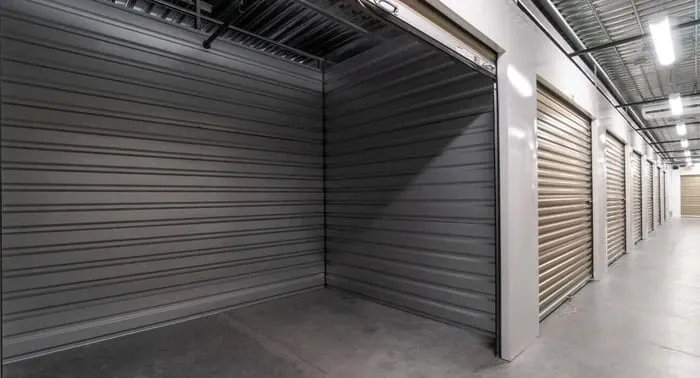
At STORAGExperts, we know that properly storing your car or vehicle is more than just parking it out of sight. Long-term vehicle storage requires careful preparation, the right space, and protection against the elements. Using a quality car cover in a garage or other secure location shields the exterior from dust, debris, and sun damage. At the same time, the types of storage and ventilation ensure proper air circulation. Regular inspection helps catch minor issues before they become costly problems.
We also pay attention to essential components, such as the gas tank, tires, and battery. Even the way a car is parked can affect its condition over time, and protecting the vehicle from damage caused by someone else is key. Combining a secure location, proper cover, and routine inspection keeps vehicles safe, maintains their condition, and reduces risk during long-term storage.
Choosing the Right Storage Location
The first step in long-term car storage is selecting the best location. We consider options ranging from climate-controlled storage facilities to garages or secured outdoor lots. Each option has its pros and cons:
- Climate-controlled facilities protect our vehicles from extreme heat, cold, humidity, and precipitation, thereby reducing the risk of rust, corrosion, and paint damage caused by UV rays, sun exposure, or moisture.
- Home garages are convenient, provide moderate protection, and can be enhanced with covers or ventilation solutions.
- Outdoor lots can be effective when other spaces are unavailable, but they require high-quality covers, regular inspections, and effective pest control.
We constantly check for proper ventilation, accessibility, and security to minimize risks such as theft, vandalism, or rodent infestations. Choosing the right site minimizes exposure to water, debris, and contaminants while maintaining consistent temperature and airflow.
Preparing the Vehicle Thoroughly
Proper preparation is essential for long-term storage. Neglecting steps like cleaning, fluid management, and battery care can lead to preventable damage. Our preparation checklist includes:
- Cleaning exterior and interior: We wash and wax the car to remove grime, salt, bird droppings, and other contaminants. A clean exterior prevents corrosion, and a spotless interior reduces odors and damage to leather, fabric, or vinyl surfaces. We vacuum carpets, clean leather, and wipe dashboards, steering wheels, and consoles to maintain top condition.
- Fluids and fuel: We top off the fuel tank to minimize condensation and add a fuel stabilizer to prevent gas breakdown. Engine oil, brake fluid, and other essential fluids are checked and replaced if needed.
- Tire care and suspension: We inflate tires to the recommended pressure to avoid flat spots. For extended storage, we sometimes use jack stands to relieve the weight from tires and suspension components.
- Battery maintenance: We disconnect the battery or use a trickle charger to prevent discharge and prolong battery life. Terminals are cleaned and free of corrosion before storage.
- Parking brake precautions: We either disengage the parking brake or use wheel chocks to prevent the brakes from seizing.
Using Covers and Protection Strategically
We consider car covers essential for long-term storage, choosing based on location, climate, and the vehicle's shape:
- Indoor covers protect against dust, debris, and minor moisture while allowing air circulation to prevent condensation. This is a helpful tip for any driver or homeowner storing a car in a garage or storage facility.
- Outdoor covers are weatherproof and UV-resistant, protecting against rain, snow, sun, wind, bird droppings, and pests, while shielding the vehicle's front and other vulnerable areas.
We make sure covers fit snugly at every level, from mirrors to wheels, to maximize protection. Aluminum foil over tailpipes helps prevent rodents from nesting inside, and cotton balls soaked in peppermint oil effectively deter interior bugs. Choosing the right cover based on state and climate ensures your vehicle stays in peak condition throughout long-term storage.
Managing Moisture and Ventilation
Moisture is a significant threat to vehicles in storage, causing mold, rust, and corrosion, and it can quickly damage a paint job if left unchecked. To reduce risk, we:
- Place desiccant packs or moisture absorbers inside the cabin and trunk to provide a simple solution for smaller storage spaces.
- Keep windows slightly ajar if stored indoors and security permits, promoting airflow to protect the interior.
- Use a climate-controlled storage unit in high-humidity or temperature-variable areas, especially when the number of days in storage or the cost of potential damage is high.
Proper ventilation and moisture control protect the vehicle's paint job, leather, and fabrics during storage, whether the car is in a garage, on a lot, or in a dedicated storage facility.
Maintaining the Engine and Mechanical Components
Even when a vehicle isn’t in use, its engine and mechanical systems still require care. Our steps include:
- Oil changes: We install fresh engine oil and filter before storage because used oil contains contaminants that can damage engine parts.
- Fluid levels: Brake, coolant, transmission, and power steering fluids are checked and topped off as needed.
- Fuel system: After adding fuel stabilizer, we sometimes run the engine briefly to circulate the stabilizer, protecting fuel lines, gaskets, and injectors.
- Tailpipe and exhaust protection: Aluminum foil or exhaust plugs prevent rodents and debris from entering.
Addressing Tires and Weight Distribution
Long-term storage can cause distortion in tires and suspension if the weight is uneven. We:
- Inflate tires to the recommended pressure.
- Use jack stands for vehicles that have been stored for several months or more.
- Rotate tires periodically for extended storage periods to prevent flat spots.
Protecting the Interior
Interior protection is just as important as exterior protection. We:
- Clean and condition leather and vinyl surfaces.
- Use sunshades or window covers to block UV rays.
- Add moisture absorbers to reduce condensation.
- Keep storage spaces free of debris and pests that could damage interiors.
Securing the Vehicle Against Theft and Vandalism
Vehicle security is a top priority. We:
- Park in well-lit, monitored areas or secured storage facilities.
- Lock all doors, windows, and openings.
- Use steering wheel locks, wheel clamps, or alarms for extra protection.
- Limit access to storage keys or codes and document the storage site's zip code and address.
We also ensure insurance coverage is up to date for vehicles in storage to protect against theft, vandalism, or weather-related damage.
Preventing Rodent and Pest Damage
Rodents and insects can cause costly damage to wiring, hoses, and interiors. We prevent infestations by:
- Place peppermint oil-soaked cotton balls under the hood and in the cabin.
- Blocking openings, tailpipes, and ventilation ducts.
- Use aluminum foil or mesh for exhaust and engine openings.
- Regularly inspect the vehicle for signs of critters and damage.
Monitoring and Maintaining Conditions During Storage
Long-term storage requires ongoing attention. We:
- Conduct regular inspections for moisture, rodent activity, and fluid leaks to ensure optimal building conditions.
- Run the engine periodically to circulate fluids and maintain battery charge when possible.
- Check tire pressure and exterior condition after storms, snow, or other extreme weather events.
- Adjust covers or move vehicles if storage conditions change.
Adapting Storage to Seasonal and Climate Conditions
Different climates and seasons present unique challenges. We adjust our strategy accordingly:
- Hot climates: Protect paint and interior surfaces from UV rays and heat with UV-resistant covers and wax.
- Cold climates: Prevent freezing damage by stabilizing fluids, using antifreeze, and monitoring tires and batteries.
- In rainy or humid climates, use desiccants and ventilation to prevent mold, mildew, and rust.
- Snow- and salt-prone areas: Wash vehicles to remove salt, apply wax, and avoid low-lying areas where precipitation tends to collect.
Evaluating Storage Options Based on Vehicle Type
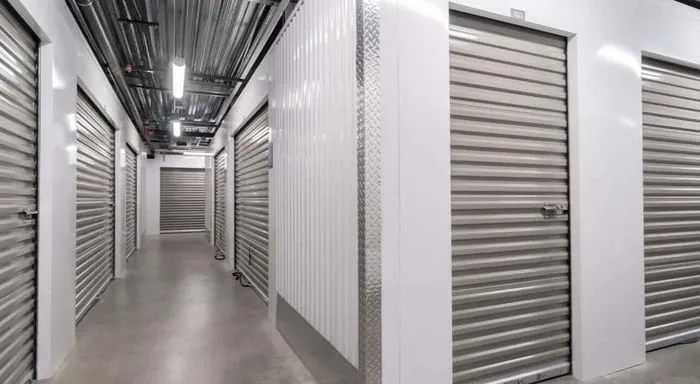
Not all vehicles require the same storage approach, especially when storing a car long term in a storage unit. We consider:
- Classic or collector cars often benefit from climate-controlled storage and indoor covers, maximizing the use of available storage space.
- Daily drivers can be stored in garages, covered outdoor spaces, or storage units with regular maintenance, depending on the available storage space.
- High-performance vehicles require careful fluid management, regular tire rotation, and battery monitoring, with storage areas selected to maximize safety and protection.
Choosing the right storage type and storage space when storing a car long term in a storage unit preserves the vehicle’s value and performance.
Implementing Long-Term Maintenance Plans
For truly long-term storage, we follow a maintenance schedule:
- Run the engine or use a trickle charger at least once a month.
- Check fluid levels and tire pressure.
- Clean the exterior to remove dust and grime.
- Inspect for rodent activity, leaks, or new damage.
- Address issues promptly to prevent costly repairs.
Planning for Vehicle Retrieval and Reuse
Proper storage includes planning for the day the vehicle returns to use. We:
- Inspect tires, brakes, and fluids before driving.
- Remove covers and check for moisture or pests.
- Ensure the battery is fully charged and that the engine oil and fuel are in optimal condition.
- Start the engine and let it run for a few minutes, checking for leaks or unusual sounds.
- Clean interior and exterior as needed.
Following these steps ensures vehicles are ready to drive and minimizes wear or unexpected issues.
Conclusion: Long-Term Vehicle Storage is a Smart Investment
At STORAGExperts, long-term vehicle storage is a vital part of responsible car ownership. By selecting the correct location, thoroughly preparing vehicles, protecting against environmental and pest damage, maintaining fluids and components, and regularly monitoring vehicles, we reduce risk and preserve value.
Long-term storage is an investment in condition, longevity, and peace of mind. From car covers and climate-controlled facilities to battery management, tire care, and pest prevention, proper storage today prevents headaches tomorrow. By following our comprehensive tips, every car, vehicle, or classic under our care will emerge from storage ready to drive, look its best, and retain its value for years to come.
Frequently Asked Questions
1. How long can a car safely remain in storage without being driven?
Vehicles can remain in storage for months if properly prepared. Regular inspections, tire care, fluid checks, and battery maintenance help prevent damage, ensuring the car remains in optimal condition, regardless of inactivity.
2. Should I leave my car insurance active while it's in long-term storage?
Keeping insurance active protects against theft, vandalism, or weather damage. Some policies allow storage or comprehensive-only coverage to reduce cost while maintaining protection for the vehicle in storage.
3. Can I store a vehicle on the street or in a driveway long-term?
Street or driveway storage exposes vehicles to weather, debris, UV rays, and theft. Using a garage, lot, or storage facility with a quality car cover and regular inspection is safer for long-term preservation.
4. How often should a stored vehicle be started or moved?
Starting or moving a vehicle every few weeks circulates fluids, maintains battery charge, prevents tire flat spots, and keeps brakes and mechanical components in good working order during extended storage periods.
5. Is it necessary to disconnect or remove the car battery entirely?
Disconnecting or using a trickle charger prevents battery drain. In some cases, removing the battery entirely is ideal for long-term storage, as it protects both the battery life and surrounding components.
6. What type of fuel stabilizer should be used, and how much is needed?
A high-quality fuel stabilizer keeps gas from breaking down in the tank. Following the manufacturer's instructions for the correct amount and circulating the stabilizer through the engine protects fuel lines and gaskets.
7. How do I prevent pests, rodents, and insects from damaging a stored vehicle?
Block tailpipes and openings, use peppermint oil or aluminum foil, and inspect regularly. Proper covers and a secure storage space help deter rodents, preventing damage to wiring, hoses, and the vehicle's interior.
8. Can long-term storage affect my vehicle's warranty?
Improper storage can void some manufacturer warranties. Using recommended fluids, performing regular inspections, and following storage guidelines ensures coverage remains valid while protecting the vehicle.
9. Are there special considerations for storing electric or hybrid vehicles?
EVs and hybrids require battery management, moderate charge levels, and climate-controlled storage when possible. Regular monitoring and limited discharge prevent battery degradation during long-term storage.
10. How should I prepare a vehicle for storage in extreme weather or high humidity?
Use a climate-controlled storage unit, moisture absorbers, and quality covers. Clean and wax the vehicle, ventilate the interior, and check fluids to protect paint, leather, and mechanical components from weather damage.