.webp)
Packing and Moving Tips for Preparing Your Items for Storage Units
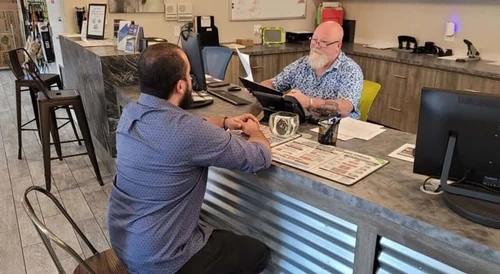
At STORAGExperts, properly preparing belongings is essential for maximizing storage space, preserving the condition of every item, and ensuring long-term protection. As a company built on experience and care, we organize each step of the process to ensure nothing is overlooked—whether we're handling delicate pieces, large furniture, or small everyday items. We understand that some belongings have a personal story, while others represent practical value, and in either case, we treat them with the same level of attention. By taking the time to disassemble certain items, secure fragile ones, and review the full description of what's going into the unit, we help our customers protect their investments and avoid unnecessary financial loss or damage.
Our approach focuses on efficiency, safety, and thoughtful planning, enabling us to deliver the highest-quality service when placing items in a storage unit. We use proven ways to wrap, label, and store belongings so they remain accessible and well-protected, even in busy facilities or high-traffic stores. Whether we're handling a complex case that requires custom packing materials or simple items that need careful handling and proper support, we make sure every step reflects our commitment to excellence. Through organized systems and consistent attention to detail, we ensure that all belongings—large or small—are stored with maximum stability and long-term security.
Evaluating What Needs to Be Stored
Before we pack anything, we start with a detailed list of everything going into storage—furniture, clothes, dishes, electronics, appliances, documents, paintings, books, and more. We assess each item's shape, size, material, and weight to determine the appropriate packing supplies, boxes, and padding. This step helps us categorize belongings, identify fragile pieces, and plan the best way to pack items without creating gaps or risking damage.
Selecting High-Quality Packing Materials
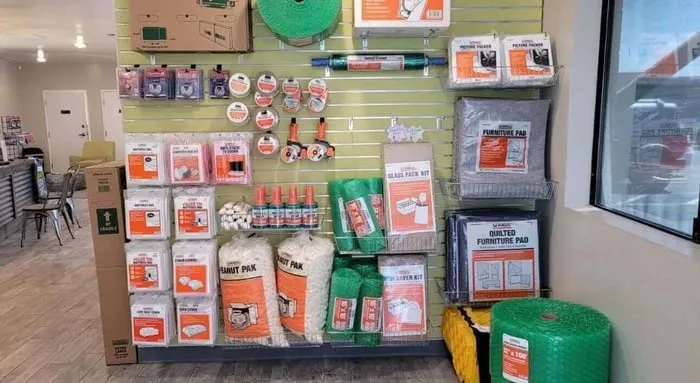
We always use packing materials that offer the best protection—bubble wrap, packing paper, blankets, padding, wardrobe boxes, cardboard boxes, and moisture-resistant bins. Our packing supplies allow us to wrap fragile items such as glassware, electronics, mirrors, and pictures carefully, so customers can enjoy peace of mind knowing their belongings are secure. We use sturdy boxes that can stack safely, uniform sizes that maximize storage space, and labels that keep things organized, giving people confidence that every part of the packing process is handled with care.
We also incorporate the right materials and methods to support any idea a customer may have about preparing their belongings—whether they're storing something extremely fragile or simply looking for a practical tip to keep things secure. From choosing the best bags for lightweight items to determining the most efficient location for each box inside the storage unit, we consider every detail. We provide clear quotes, walk customers through common questions, and explain why each thing we do matters, breaking the process down into manageable parts that make storage simple and effective.
Our packing material practices include:
- Using bags, boxes, and bins based on the material and fragility of each item
- Applying bubble wrap and packing paper to protect something delicate
- Placing items strategically based on size, weight, and location inside the unit
- Offering a practical tip for the most efficient and safe way to pack each category
- Providing a detailed quote so people understand exactly what materials and steps are involved
- Breaking complex tasks into clear parts to reduce confusion and answer all questions
- Ensuring everything placed into storage is secure, organized, and fully protected
Organizing Items by Category and Frequency of Use
To maintain order and efficiency, we separate belongings into clear categories: household goods, clothing, appliances, tools, plants (when allowed), equipment, and personal items. We place items our customers might need access to near the front of the storage unit, while long-term or seasonal items go toward the back. This approach ensures everything is easy to find without having to unstack boxes or move heavy furniture.
Preparing Furniture and Large Items for Storage
We protect furniture by disassembling pieces when possible—removing table legs, bed frames, drawers, and cabinet doors. As we prepare each piece, we often paint a clear description of what needs special care so nothing gets overlooked. We wrap every item with blankets, bubble wrap, or padding to prevent dust, dirt, and scratches, following a simple rule: fragile materials always receive the highest level of protection. Whether a customer chooses a traditional option or a modern self storage setup, we move ahead with a plan that keeps everything secure and easy to reassemble later.
For delicate materials such as wood, glass, and upholstery, we take extra care to prevent moisture and mildew. We stack furniture carefully to maximize space while maintaining safety inside the storage facility, ensuring pieces don't rub against each other or cause unnecessary strain. By positioning items thoughtfully and allowing them to support each other without pressure, we preserve their condition for the long term. Our method blends caution, organization, and clever placement so every piece remains stable, protected, and ready for future use.
Choosing the Right Storage Unit Size and Type
Selecting the proper unit size matters, and we use our experience to guide customers toward the best choice. We consider the number of items, the size of furniture, and the specific needs of the property being stored. When dealing with sensitive items—electronics, documents, paintings, freezers, mattresses, or materials vulnerable to the elements—we recommend climate-controlled self-storage. This solution protects against pests, moisture, temperature changes, and environmental chemicals.
Using High-Quality Boxes and Containers
We rely on strong cardboard boxes, wardrobe boxes, and bins that can handle weight without collapsing. Each box is filled from the bottom up so that the contents don't shift during transit. We balance heavy stuff at the bottom and lighter items at the top to reduce risk. We use tape generously—sealing edges, reinforcing corners, and adding extra strips for support. A properly sealed box protects valuables and keeps dust out while in storage.
Securing Fragile and High-Risk Items
Fragile items receive exceptional care. We wrap each item individually with bubble wrap or paper, using extra padding for glassware or delicate electronics. We label these boxes "fragile" and "this side up" to ensure they always remain upright. For items like mirrors or paintings, we place cardboard or foam around the edges, then mark them clearly to prevent pressure or bending when stacked.
Protecting Appliances and Electronics
When storing electronics or appliances, we clean and dry them thoroughly to avoid mildew, pests, or chemical reactions. We bundle cords and label them to keep everything organized. Freezers, refrigerators, and washers are left slightly open to allow airflow and prevent moisture buildup. We wrap appliances carefully to avoid dents and damage during transit.
Maximizing Space Inside the Storage Unit
We carefully plan the placement of items inside the unit. We stack sturdy boxes against walls, leaving a walkway through the center so customers can access items easily. Heavy goods go on the bottom while fragile boxes remain on top. Furniture stands vertically when possible to save space, while oddly shaped items fill gaps. This method ensures stability while maximizing every inch of the storage unit.
Ensuring Safe and Efficient Transport
We handle belongings carefully during loading and unloading. Our movers use lifts, dollies, and straps to protect fragile items and reduce the weight carried by hand. Items are secured inside the truck so nothing shifts during transit. We track materials, keep everything organized during each step, and follow a consistent process so belongings arrive safely at the storage facility.
Labeling and Inventorying Every Box
We label each box clearly with its contents, destination, and category, using the best way to label your boxes for easy retrieval. Our inventory checklist includes descriptions, numbers, and placement notes, giving customers clarity and control. This system helps customers locate items quickly and protects against misplaced property or missing boxes. An organized inventory also helps us track items as we move them into storage facilities.
Maintaining Storage Unit Cleanliness and Safety
We prepare the storage space before placing anything inside. We clean floors, check for dirt or pests, evaluate the condition of the area, and ensure doors and locks function properly. Safety is our priority—we position items securely, avoid over-stacking, and ensure nothing blocks the storage unit door. This careful approach protects belongings and prevents accidents.
Managing Climate and Moisture Conditions
Moisture is one of the most significant risks in long-term storage. We use climate-controlled units when needed, maintain airflow, and avoid storing damp items. We also use moisture-absorbing materials to safeguard belongings. This attention to detail prevents mold, mildew, and unpleasant odors that can damage plastics, fabrics, wood, and paper.
Protecting Items From Pests and Environmental Factors
Moisture is one of the most significant risks in long-term storage. Climate-controlled storage units are worth it because they help maintain optimal conditions. We use these units when needed, maintain airflow, and avoid storing damp items. We also use moisture-absorbing materials to safeguard belongings. This attention to detail prevents mold, mildew, and unpleasant odors that can damage plastics, fabrics, wood, and paper.
Creating a Safe and Accessible Unit Layout
We position items strategically so customers can move around the unit easily. Heavy furniture goes against the walls for stability. Frequently used items stay near the front for quick access. We create pathways to make navigating the unit safer and simpler. With this organized approach, customers can find what they need without having to shift stacks of boxes.
Offering Professional Packing and Storage Guidance
Our team constantly guides customers who need help selecting packing options, choosing a unit size, estimating prices, or determining the best approach. We offer advice about materials, packing tips, and protection methods so customers feel confident. Our experience allows us to provide tailored solutions for each customer's situation.
Ensuring Full Customer Peace of Mind
Our goal is to deliver peace of mind through quality services, reliable packing practices, and secure storage solutions. We work with customers to ensure their belongings are handled with care from start to finish. Whether it's a single item, a room of furniture, or a whole house of belongings, we make sure everything is stored safely and efficiently.
Finalizing the Storage Unit Setup
Once everything is placed in the unit, we review the layout, ensure labels are visible, verify that stacks are stable, and double-check that fragile boxes are positioned safely. We confirm that nothing is pressing against the door and that the aisles remain clear. Our final walkthrough ensures everything is secure and organized according to the customer's needs.
Delivering Long-Term Storage Confidence
Our commitment at STORAGExperts is to provide safe, clean, accessible storage units supported by well-structured packing processes. By using the right materials, applying the best techniques, and prioritizing protection at each step, we help customers preserve the value of their belongings—whether for weeks, months, or years. Our professional approach ensures that all items remain in top condition, maximizing safety, space, and efficiency throughout the storage experience.
Frequently Asked Questions (FAQs)
1. What type of lock should I use for my storage unit?
We recommend using a disc lock or cylinder lock, as both are highly resistant to bolt cutters and tampering. Many modern facilities also support smart locks, but traditional disc locks remain the most secure and widely accepted option.
2. How should I store important documents or sensitive papers?
We advise placing documents in sealed, waterproof containers or fire-resistant boxes. For long-term storage, a climate-controlled unit provides essential protection against humidity, heat, and paper deterioration.
3. Can I store gym equipment or heavy machinery safely?
Yes—disassemble any removable parts, lubricate metal components to prevent rust, and wrap surfaces to avoid scratches. Heavier items should be stored close to the ground for safety and stability.
4. What is the best way to pack and store holiday decorations?
Fragile ornaments should be placed in individual padded compartments, while lights should be wrapped around spools or cardboard to prevent tangling. Store artificial trees in large bags or original boxes and place all decorations in labeled bins for easy retrieval.
5. Should I clean my items before placing them into storage?
Absolutely. Clean items resist pests, mold, and odors. Furniture should be wiped down, appliances cleaned and dried, and fabrics laundered. Clean items also maintain their condition far better in long-term storage.
6. How do I prevent mold and mildew from forming on stored fabrics?
Make sure fabrics are completely dry before storage. Use moisture absorbers, keep items in breathable containers, and choose a climate-controlled unit for long-term fabric storage. Avoid sealing damp fabrics in plastic bags.
7. What's the safest way to store outdoor equipment and garden tools?
Clean tools thoroughly, drain fuel from power equipment, and apply a light coat of oil to metal parts to prevent rust. Store hoses coiled neatly and wrap patio furniture cushions in breathable covers to protect them from dirt and moisture.
8. Can I store musical instruments in a standard unit?
We recommend a climate-controlled unit for most instruments, as temperature and humidity changes can warp wood, damage strings, and degrade electronics. Instruments should be placed in complex cases with proper padding.
9. How do I keep track of my stored items if I'm storing belongings long-term or off-site?
Use a digital inventory list, label every box clearly, and take photos of the contents before sealing. Some customers also map the layout of their unit so they know exactly where each item is placed.
10. What should I do if I plan to access my storage unit frequently?
Place frequently used items near the front of the unit, keep a clear walkway, and avoid stacking heavy boxes on top of everyday items. Using shelving can also make it easier to reach what you need without having to shift boxes.