.webp)
15 Tips to Save Money on Long-Term Storage
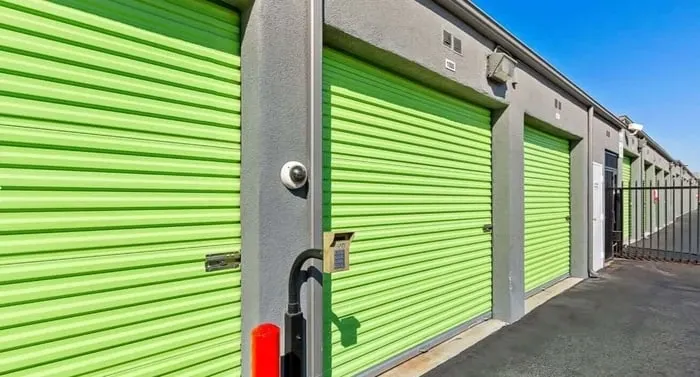
As STORAGExperts, we understand that long-term storage can quickly become an ongoing expense if it isn’t managed strategically. Over the years, we’ve helped countless people pack and store items of every shape, size, and condition, guiding them through the many options available so they can choose the correct sizes and the proper storage facility for their needs. Through this experience, we’ve learned how to balance cost, convenience, and protection in a way that makes sense for anyone looking to store belongings for an extended period. Whether someone is storing a single container, a garage full of belongings, or a delicate item that needs extra care, the right approach at the start can make a significant difference in long-term value.
Because of this, we’ve developed a clear idea of what truly helps customers reduce storage costs without compromising safety. Our team has seen how efficiently things run when belongings are adequately packed, and space is used wisely. We’ve refined our methods to ensure everything remains safe, organized, and accessible. Below, we share our most effective, proven ways to save money on long-term storage—strategies built from years of real-world experience and designed to help every customer get more from their storage investment.
1. Smart Planning Reduces Long-Term Costs
Before choosing any storage unit, we always encourage customers to begin with a clear plan. Keeping long-term goals in mind helps ensure you get the full advantage of choosing the right space from the start. Taking the time to evaluate your storage needs—everything from the number of items to the type of storage space required—makes a significant difference in long-term costs. When we help someone inventory belongings such as clothing, documents, artwork, furniture, appliances, wood furniture, vehicles, or bins filled with goods and products from around the house, we can accurately recommend the ideal storage unit size and prevent anyone from paying for more space than they actually use. In addition, understanding what lies behind each door in a facility helps us match customers with units that offer plenty of value without taking much from their budget.
A detailed plan also helps reduce packing errors, damage, clutter, and unnecessary stress during the move. When your belongings are properly sorted, packed, and protected, you minimize long-term risks like mildew, mold, and moisture that can lead to costly replacements later. These preventative steps save cash, simplify life, and make the overall experience smoother for everyone—whether we’re helping a family, a woman organizing her home, or anyone looking for a more efficient long-term solution.
2. Proper Unit Sizing Prevents Overspending
Selecting the right unit size is one of the most impactful steps in controlling storage costs. We routinely meet people who assume they need a larger unit simply because they haven’t optimize their packing. Once we help them organize and declutter, they often move from a large storage unit to a smaller one, reducing both rent and ongoing fees.
We guide customers on using vertical space in their unit with shelving units, shelves, boxes, and sturdy containers. Stacking items strategically—from top to bottom—can transform the space available inside a unit. Our size guide for storage units helps ensure you choose the right unit and pack efficiently. Using bubble wrap, bags, and containers designed for long-term storage not only protects your belongings but also makes sure every square foot is used wisely.
3. Long-Term Packing Methods Prevent Damage and Save Money
Damage is one of the most significant hidden expenses in long-term self-storage. We prioritize packing techniques designed to shield belongings from ground-level moisture, temperature fluctuations, and accidental impact. Using climate-controlled units or choosing the right facility type can help protect items such as artwork, wood furniture, documents, and appliances from warping, mildew, and mold.
We advise packing heavier items in small, manageable boxes to prevent the bottom from collapsing. Lightweight items should go in larger boxes. Bubble wrap and protective bags reduce the risk of damage during unloading or when shelves shift over time. Smart packing gives our customers peace of mind—and reduces the costs of replacing or repairing stored belongings.
4. Efficient Organization Improves Storage Value
Creating an organized storage space is one of the easiest ways to improve cost efficiency. When everything is arranged logically, you avoid renting additional units simply because things were not stored properly the first time. Organization also makes long-term access easier, preventing you from spending time or money searching through clutter.
We recommend labeling every box clearly and sorting items by category—house goods, furniture, clothing, equipment, artwork, tools, or seasonal stuff. Using storage bins and sturdy containers helps keep everything secure. When customers organize their units efficiently, they can fit more belongings into a smaller space, reducing monthly expenses.
5. Strategic Location and Facility Selection Lowers Expenses
Not all storage facilities offer the same value. When we help customers compare locations, we look beyond simple rates and prices. Facility amenities, security features, access hours, climate control, and the overall condition of the site all contribute to long-term costs.
For example, choosing a facility farther from high-demand areas often leads to lower prices. Likewise, selecting a facility with excellent security reduces the need for additional insurance or protective products. Our team guides customers to storage facilities that balance convenience, cost, and protection to create long-term value.
6. Promotions and Discounts Provide Real Savings
At STORAGExperts, we regularly offer promotions, rent specials, and discounts across many units. We also help customers compare deals between multiple storage locations so they can choose the option that fits their budget. Many facilities offer discounts for prepaying, signing more extended contracts, or renting multiple units.
We advise customers to watch for promotions advertised online or on platforms like Instagram, where facilities often highlight new deals or limited-time offers. By timing your rental strategically, you can reduce initial and long-term storage costs.
7. Negotiation Creates Additional Opportunities to Save
Many people are surprised to learn that storage unit rates can be negotiable. We’ve helped numerous customers secure lower rates by discussing long-term needs with facility managers. If someone is committing to a long-term rental, they may receive a lower rate, waived fees, or added benefits such as extended access hours.
We encourage customers to negotiate when signing a contract—especially when renting multiple units, selecting a large unit size, or storing items for an extended duration. Negotiation is one of the simplest ways to reduce expenses without any added effort.
8. Efficient Use of Climate Control Prevents Costly Damage
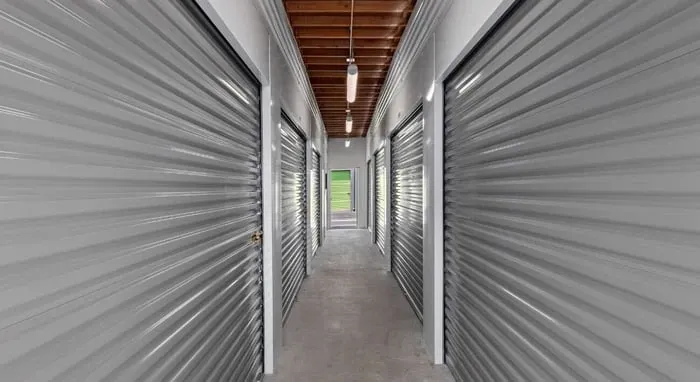
Climate-controlled storage units protect belongings from extreme temperature shifts, moisture, and humidity. However, not everything needs to be stored in a climate-controlled facility. We help customers evaluate which items—such as artwork, wood furniture, documents, appliances, or antiques—require climate control and which can be stored in standard units.
By separating items based on protection needs, customers often rent one small climate-controlled unit for sensitive belongings and one regular unit for durable items, rather than paying premium prices for everything. This hybrid approach preserves belongings and reduces costs.
9. Regular Check-Ins Prevent Unexpected Expenses
Long-term storage doesn’t mean forgetting about your belongings. We encourage customers to check their units periodically—not only to ensure everything is in good condition, but to determine if some items can be sold, donated, or removed to reduce stored inventory.
A quick visit can reveal early signs of moisture, mildew, or pests before they cause damage. Removing unnecessary items also prevents overspending on space that’s no longer needed.
10. Optimization of Items Reduces Overhead
Every long-term storage plan benefits from optimization. We help customers evaluate belongings to decide what truly needs to stay in storage and what can be discarded. This step alone reduces the required space and dramatically lowers storage costs.
By helping people declutter, sort goods, and reduce unnecessary items, we create a long-term storage environment that is organized, efficient, and cost-effective.
11. Safe Handling Lowers Long-Term Risks
Proper handling prevents damage during every stage—packing, moving, unloading, and storing. We provide guidance to ensure belongings such as appliances, artwork, equipment, and wood furniture arrive in the same condition they were packed.
Using high-quality moving products, protective coverings, and stable shelves helps avoid costly accidents. Safe handling is critical when large or heavy items such as vehicles, furniture, or machinery are involved.
12. Leveraging Facility Services Enhances Value
Many storage facilities offer added services that indirectly reduce long-term expenses. These include on-site carts, ground-level access, security features, climate control monitoring, and customer support. We at STORAGExperts help our customers evaluate which services add real value and which are unnecessary based on their storage needs.
Choosing a facility with the right blend of amenities ensures that you’re not overpaying for features you won’t use.
13. Long-Term Contracts Offer Predictable Savings
When customers are confident they will need storage for an extended duration, we often recommend securing a long-term contract. Many facilities provide lower rates for multi-month or annual agreements. This eliminates the risk of rate increases and saves money over time.
Before signing any agreement, we help customers understand contract terms, fees, insurance requirements, and access policies so they make fully informed decisions.
14. Decluttering Prevents Unnecessary Storage Expenses
A major contributor to unnecessary storage costs is the accumulation of things that no longer hold value. By helping customers sort through belongings—often with input from friends or family—we reduce the space needed and eliminate the need for long-term storage of items they don’t honestly want.
Decluttering is one of the most effective ways to reduce storage expenses and streamline the entire process.
15. Final Thoughts: Saving Money on Storage Starts with Smart Choices
At STORAGExperts, we believe saving money on long-term storage doesn’t require sacrifice—it simply requires thoughtful planning, adequate packing, strategic facility selection, and ongoing oversight. By applying the practical steps outlined above, our customers maximize the value of their storage space, protect their belongings, and minimize long-term expenses.
With the right approach, long-term storage becomes more efficient, more affordable, and far less stressful. Our team is always ready to guide you through every step, ensuring your belongings are stored safely, efficiently, and at the best possible cost.
Frequently Asked Questions
1. How far in advance should I plan my long-term storage to avoid higher costs?
Planning at least a few weeks allows you to compare facilities, lock in lower rates before prices change, and take advantage of seasonal discounts or promotions.
2. Are there certain times of year when long-term storage is cheaper?
Yes. Storage prices often decrease during slower seasons—typically late fall and winter—when demand is lower. Starting your rental during these months can reduce long-term expenses.
3. Can sharing a storage unit with someone help lower costs?
For some customers, sharing a unit with a trusted friend or family member is a cost-effective option. This works best when both parties clearly label items and agree on responsibilities.
4. What materials should I avoid using to prevent long-term damage that leads to replacement costs?
Avoid using thin cardboard, low-quality tape, or plastic bags for fragile items. Investing in proper containers, bubble wrap, and durable boxes saves significant money over time by preventing damage.
5. How does choosing an upper-floor unit affect long-term savings?
Upper-floor units are often cheaper than ground-level or drive-up units. If you don’t need frequent access, choosing a higher-floor unit can lower your monthly rate.
6. What insurance options are most cost-effective for long-term storage?
Many customers save money by using their existing homeowner’s or renter’s insurance policy, which may already include off-site storage coverage. This can reduce or eliminate the need for separate facility insurance.
7. How can I avoid paying for storage features I don’t need?
Before renting, assess which amenities—such as 24/7 access, climate control, or premium security—are actually necessary. Choosing only essential features prevents overpaying for extras.
8. Do long-term tenants get priority for special rates or renewals?
Some facilities offer loyalty pricing or renewal discounts for long-term renters. Asking about these benefits upfront can help you secure better deals.
9. What is the best way to track what I’m storing to avoid unnecessary duplicate purchases?
Creating a digital inventory—photos or a simple document—helps prevent buying things you already have in storage, saving money over time.
10. Should I periodically repack items to save money in the long run?
Yes. Repacking fragile or moisture-sensitive items every year or so can prevent damage. Spending a little on updated packing materials can prevent costly replacements later.