.webp)
Indoor Storage Protects Boats, Outdoor Storage Saves Money
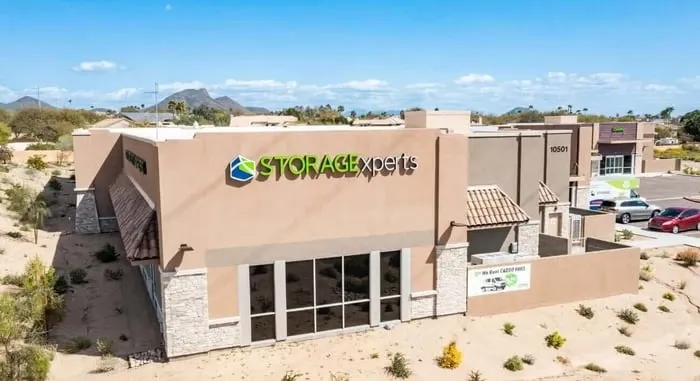
Choosing the right boat storage option is one of the most critical decisions a boat owner can make. Proper storage protects your investment, prolongs your vessel’s life, and ensures it remains safe, accessible, and ready for use. Whether you choose a marina, a rental facility, or a private place in your area, the available space and coverage play a critical role in protecting your boat from the environment. Both indoor and outdoor storage options have distinct pros and cons, and the choice can also depend on whether you store your boat on a trailer or keep it at hand in the water. This article provides a thorough guide to help you make the best way forward for your boat, watercraft, or vessel.
Indoor Boat Storage Provides Superior Protection
Indoor boat storage offers the highest level of protection against environmental elements, including sun, rain, snow, ice, wind, and fluctuating temperatures. By storing your boat inside a secure facility, you safeguard the hull, electronics, interior, and other components from weather-related wear and tear.
Indoor facilities often include climate control, reducing humidity and preventing mold, mildew, or corrosion. For boat owners in regions with harsh winters, indoor storage is particularly beneficial, as it protects the vessel from freezing temperatures, ice, and snow damage. Boat storage options vary across different locations and price points, and the heat inside the facility helps preserve the vessel. There are multiple ways to store boats at different times, including in a garage or alongside other vehicles. Indoor storage provides an alternative to outdoor storage, offering enhanced security through gated access, surveillance cameras, and on-site personnel.
Additionally, indoor storage is ideal for boat owners who want to perform regular maintenance. Tasks like battery checks, cleaning, and winterization are much more manageable when weather conditions are not a factor. Indoor storage also reduces exposure to pests such as rodents or insects that could damage interiors and electronics.
Advantages of Indoor Storage
- Protection from Elements: Prevents damage from sun, rain, snow, ice, and wind.
- Security Features: Reduces risks of theft, vandalism, and unauthorized access.
- Climate Control: Maintains optimal temperature and humidity to protect sensitive components.
- Maintenance Convenience: Simplifies cleaning, repairs, and seasonal preparations.
- Preservation of Hull and Exterior: Protects gel coat, paint, and structural integrity from wear.
- Long-Term Investment: Reduces repair costs over time, thereby increasing the boat’s resale value.
Indoor storage is particularly advantageous for high-value vessels, family boats used frequently, and boats sensitive to environmental damage. The types of storage facilities and storage units offered by a company can vary widely across the country, and many provide additional services to protect boats from winter weather and other environmental hazards. Implementing proper security measures is essential, and reading reviews can help boat owners choose the best facility for their needs.
Disadvantages of Indoor Storage
While indoor storage provides significant protection, it comes with certain drawbacks:
- Higher Cost: Indoor storage facilities typically charge more due to added amenities and protection.
- Limited Availability: Spaces may fill quickly, especially in popular boating areas or during peak seasons.
- Potential Size Limitations: Larger vessels may not fit in standard indoor units, requiring specialized facilities.
- Accessibility Restrictions: Some facilities have limited hours or require scheduling access.
Despite these drawbacks, many boat owners consider indoor storage a worthwhile investment to protect their watercraft and minimize long-term maintenance costs. Indoor garages provide a secure method to store boats and related items, reducing exposure to sunlight and other environmental factors. While some owners may face the issue of limited parking spaces or a high number of boats at a facility, these concerns are often outweighed by the benefits. Others may also notice improved convenience and peace of mind when using an indoor storage solution.
Outdoor Boat Storage Offers Cost-Effective Options
Outdoor boat storage is a popular choice for those looking to save money while maintaining convenient access. Outdoor storage can take many forms, including uncovered parking lots, covered racks, marinas, or driveways. While outdoor storage exposes boats to the elements, proper precautions such as boat covers, shrink-wrap, or protective tarps can mitigate damage.
Outdoor storage is also suitable for larger vessels that may not fit in indoor storage units. Marinas, storage facilities, and private lots can accommodate boats, watercraft, and RVs of various sizes, making it a flexible option for many owners. For those looking to optimize space, RV storage ideas to maximize your space can be applied to organize vehicles and trailers efficiently. This form of storage helps solve the problem of limited space for a vehicle or trailer, providing ample room and accessibility for multiple types of watercraft.
Advantages of Outdoor Storage
- Lower Cost: Outdoor storage is generally more affordable than indoor units.
- Convenient Access: Easier retrieval allows boat owners to use their vessels frequently.
- Flexibility in Vessel Size: Can accommodate large boats, multiple trailers, and watercraft simultaneously.
- Variety of Storage Options: Includes marinas, covered racks, open lots, and driveways.
- Ease of Expansion: Outdoor areas can often be expanded more easily than indoor facilities.
Outdoor storage is often suitable for regions with mild climates or for vessels designed to withstand weather exposure. It provides an accessible, budget-conscious solution for casual boaters.
Disadvantages of Outdoor Storage
- Exposure to Weather: Rain, snow, wind, ice, and UV rays can cause damage over time.
- Higher Maintenance Requirements: Outdoor boats may need more frequent cleaning, waxing, and inspections.
- Pest and Rodent Risks: Rodents can damage interiors, wiring, and electronics.
- Increased Theft and Vandalism Risk: Outdoor areas may have fewer security features.
- Potential Damage from Debris: Windblown branches, hail, and dust can cause scratches or dents.
Owners who choose outdoor storage must remain diligent about maintenance and invest in quality protective measures to reduce potential damage.
Climate Considerations Impact Storage Decisions
The local climate heavily influences the ideal storage solution for boats:
- Cold and Snowy Regions: Indoor storage prevents freezing, ice damage, and corrosion during winter.
- Hot, Sunny Climates: Indoor storage or covered outdoor storage protects hulls and electronics from UV damage.
- Humid Areas: Climate-controlled indoor facilities prevent mold, mildew, and corrosion.
- Mild Climates: Outdoor storage may be sufficient with proper covers and maintenance.
Understanding the weather conditions, temperatures, and seasonal variations in your region is crucial for selecting the best storage option for your watercraft, including whether a climate-controlled storage unit is necessary to protect it from extreme heat, humidity, or cold.
Security Features Protect Your Boat

Security is a key consideration for boat owners. Facilities vary widely in their level of protection:
- Indoor Storage Security: Often includes gated access, surveillance cameras, and on-site staff.
- Outdoor Storage Security: May rely on fencing, lighting, and occasional monitoring.
- Supplemental Security: Owners can add locks, alarms, or GPS tracking devices for additional protection.
Higher-security facilities often reduce insurance costs and provide peace of mind, particularly for larger or higher-value vessels.
Maintenance Requirements Differ by Storage Type
Boat maintenance varies significantly depending on storage choice:
- Indoor Storage: Reduces exposure to elements, so tasks like cleaning, hull inspections, and engine checks are simpler and less frequent.
- Outdoor Storage: Requires consistent checks for damage from sun, wind, rain, pests, and dust accumulation. Covers and shrink-wrap must be maintained, and trailers should be inspected for rust or wear.
Regular maintenance is essential to preserve the vessel’s condition, protect electronics and batteries, and avoid costly repairs.
Cost Comparison Between Indoor and Outdoor Storage
Understanding costs is critical in choosing a storage solution:
- Indoor Storage Prices: Typically higher, ranging from $150–$500+ per month depending on location, climate control, and unit size.
- Outdoor Storage Prices: Generally lower, $50–$250 per month for standard parking or uncovered lots.
- Additional Costs: Maintenance, protective covers, insurance, and optional amenities must be considered.
Boat owners should weigh initial investment versus long-term savings when deciding between indoor and outdoor storage.
Accessibility and Convenience Considerations
- Indoor Storage Access: May have restricted hours or require scheduling; ideal for owners who plan and prioritize protection.
- Outdoor Storage Access: Usually more flexible, convenient for spontaneous boating trips.
- Proximity to Water: Some marinas or storage facilities provide direct access to lakes, rivers, or coastal areas.
Accessibility is crucial for families, recreational boaters, and those who frequently use their vessels.
Long-Term Investment Benefits
Indoor storage often represents a long-term investment in your boat’s preservation:
- Reduced wear and tear on the hull and electronics
- Lower maintenance and repair costs
- Higher resale value for well-preserved vessels
Outdoor storage may save money upfront, but can result in higher maintenance costs and more frequent repairs over time.
Hybrid Storage Options for Flexibility
Some boat owners choose hybrid solutions to balance cost, convenience, and protection:
- Seasonal Storage: Indoor during winter, outdoor during summer months.
- Covered Outdoor Racks: Offers partial protection from sun and rain while remaining affordable.
- Private Driveway Storage: Works for small boats, with added protection through covers and security devices.
Hybrid solutions allow boat owners to tailor storage to their specific needs, climate, and budget.
Final Recommendations for Boat Owners
When choosing between indoor and outdoor boat storage, consider these key factors:
- Climate and Weather: Harsh winters or intense sun favor indoor storage.
- Budget: Indoor storage is more expensive upfront; outdoor storage is cost-effective but may increase maintenance costs.
- Security Needs: High-value boats may require indoor storage with advanced security.
- Frequency of Use: Indoor storage may limit access; outdoor storage allows more flexibility.
- Maintenance Preferences: Indoor storage reduces maintenance frequency; outdoor storage requires diligent upkeep.
- Vessel Type and Size: Large boats may only fit in outdoor or specialized storage units.
By evaluating these factors, boat owners can choose the storage option that ensures protection, convenience, and long-term investment benefits for their vessel.
Conclusion
Choosing the proper storage for your boat is a crucial decision that affects its longevity, safety, and overall performance. Indoor storage offers maximum protection, enhanced security, and reduced maintenance, while outdoor storage provides cost-effectiveness, convenience, and flexibility. Understanding your local climate, budget, and usage habits ensures that your boat remains in excellent condition for years to come.
Frequently Asked Questions
1. Can I switch between indoor and outdoor storage during the year?
Yes, hybrid options allow seasonal switching to protect your boat in winter and save on costs in summer.
2. Do indoor storage facilities accommodate multiple types of watercraft in one unit?
Many indoor units can store boats, jet skis, or small vessels together if the space and weight limits are sufficient.
3. What are the typical rental terms for indoor vs. outdoor storage?
Contracts usually range from monthly to yearly; deposits and notice periods vary by facility.
4. Are there insurance benefits for choosing indoor storage over outdoor storage?
Indoor storage often reduces insurance premiums due to lower risk of weather damage or theft.
5. How do I prepare my boat for long-term storage in either facility?
Drain water, disconnect batteries, cover electronics, and use shrink-wrap or protective covers.
6. Can I perform maintenance or repairs while the boat is in storage?
Some facilities allow basic maintenance like cleaning or battery checks; major repairs may require permission.
7. Do storage facilities provide electricity or water hookups for maintenance?
Certain facilities provide hookups for battery charging or cleaning, but availability varies by location.
8. How do I choose the right size storage unit or parking space for my vessel?
Measure your hull, trailer, and accessories; select a unit or space with extra room for maneuvering.
9. Are there environmental considerations when storing boats outdoors?
Yes, outdoor storage can expose boats to sunlight, rain, and potential fuel or oil runoff; covers and protective measures help.
10. What methods do facilities use to protect boats from pests and rodents?
Facilities may use traps, routine inspections, shrink-wrap, or enclosed units to minimize damage from pests.