.webp)
Winter Storage Tips to Safeguard Your Belongings
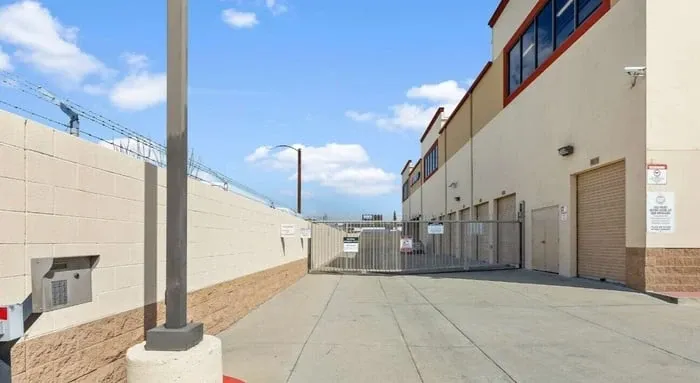
Winter brings unique challenges when it comes to storing your belongings. From freezing temperatures to moisture buildup and pests, the cold season can cause significant damage if your items are not adequately prepared. Whether you are placing items on the ground, in a basement, attic, garage, or inside a storage unit, understanding the risks associated with cold, damp environments is essential. Some items, such as furniture and electronics, require extra care and protection from temperature fluctuations and moisture, while other materials can tolerate the elements more readily.
Choosing the proper storage options is crucial to keep your possessions safe throughout the winter. With a variety of storage solutions available—from climate-controlled storage units to insulated containers—customers have multiple ways to protect their belongings. By selecting the appropriate storage environment and following winter storage tips, you can ensure your furniture, clothing, holiday decorations, and other valuable things remain in excellent condition until spring, free from damage, mold, or pests.
Choose the Right Storage Unit for Winter Conditions
Selecting the proper storage unit is the foundation of a successful winter storage plan. Units vary widely in features, climate control, and security, making it crucial to select a storage solution that meets your specific needs. Climate-controlled storage units are ideal for sensitive items, such as electronics, antiques, leather, and wood, as they maintain stable temperatures and humidity levels. Standard units are suitable for less delicate items, but be mindful of temperature fluctuations, condensation buildup, and potential moisture risks, regardless of the type of container used.
When evaluating facilities, consider insulation, heating options, and protection against drafts, as well as ice and snow. Organize items in a way that avoids creating a hassle when accessing things, keeping a clear path in each area of the unit. Use quality containers, including ones lined with cotton or other protective materials, to safeguard delicate belongings. A well-maintained storage facility with these features provides peace of mind and reduces the likelihood of winter-related damage to your possessions.
Inspect Items and Perform Cleaning Before Storage
Before placing any item in storage, inspect it thoroughly. Furniture, artwork, instruments, and electronics should be cleaned to remove dust, dirt, and other debris. Fabrics, clothing, and holiday decorations should be laundered or cleaned to prevent the growth of mold and mildew. For wood furniture, polish and condition the surfaces to minimize the risk of cracking or warping during the winter months. When packing boxes, consider placing heavier items at the bottom and securing records, photographs, and other delicate items with tape to prevent shifting.
Cleaning not only protects your belongings but also prevents pests and odors. Ensure all items are dehydrated to reduce moisture buildup and condensation within storage units. This careful preparation is a good idea for maintaining the long-term condition of everything stored, keeping items safe and organized throughout the cold season.
Use Proper Packing Materials for Winter Protection
Proper packing materials are essential to safeguard items from moisture, cold temperatures, and pests. Using the right packing supplies for your storage unit—such as durable cardboard boxes, plastic bins, and airtight containers—helps protect smaller items like documents, photographs, and holiday decorations. Wrap fragile items, such as glass, paintings, and electronics, in bubble wrap or protective covers. For furniture, blankets, vinyl covers, and dust covers provide an extra layer of insulation against temperature fluctuations and dust accumulation.
Label boxes clearly, noting the contents and special handling instructions. This makes organization easier and reduces the need to frequently access units, which can expose your items to cold air and moisture.
Protect Furniture from Cold and Moisture Damage
Wood and leather furniture are particularly susceptible to cold temperatures, moisture, and changes in humidity. Use blankets or furniture covers to insulate surfaces, and place items on pallets or shelving units to avoid direct contact with floors, where moisture can accumulate. Consider using moisture absorbers, such as silica gel packets or humidity-control products, to prevent mold, mildew, and warping.
Regularly check furniture for signs of cracking, discoloration, or surface damage, especially during prolonged winter storage periods.
Safeguard Electronics and Devices
Cold temperatures, condensation, and moisture can cause severe damage to electronics and devices. Remove batteries from electronics to prevent corrosion, and wrap devices in plastic or insulated materials to reduce exposure to cold air. Store electronics in airtight containers with silica gel packets to control humidity levels. Ensure your storage unit maintains stable temperatures and minimal temperature fluctuations to prevent condensation buildup, which can damage electronic components, including circuits and screens.
Protect Clothing and Fabrics from Winter Risks
Clothing, fabrics, and textiles are highly susceptible to moisture, pests, and temperature changes. Clean and dry all clothing before storage to prevent mildew and odors. Use breathable garment bags or sealed plastic containers for long-term storage. Layer items with acid-free tissue paper to maintain shape and reduce friction between fabrics. For bulky items like blankets, quilts, and winter coats, fold carefully and store on shelves or in containers elevated from the floor to avoid dampness.
Organize Items for Easy Access and Safety
Organizing your storage unit is a crucial step in preparing for winter storage. Place frequently accessed items near the front of the unit, while storing seasonal or rarely used items at the back. Utilize shelving units or pallets to create vertical space and enhance air circulation, thereby reducing moisture buildup and temperature fluctuations. Avoid stacking boxes too high to prevent crushing delicate contents like books, photographs, or artwork.
Clear labeling and systematic organization also make it easier to monitor for any signs of damage, pests, or moisture issues.
Protect Against Moisture, Humidity, and Condensation
Moisture buildup is one of the most common causes of damage during winter storage. Condensation can form on surfaces due to temperature fluctuations, which can lead to the growth of mold, mildew, and corrosion. Using a climate-controlled storage unit is one of the most effective ways to combat moisture, as it maintains stable temperatures and humidity levels. Additional measures include:
- Use storage units with climate control to maintain stable humidity levels.
- Place moisture absorbers or silica gel packets in boxes and containers to prevent moisture damage.
- Ensure items are elevated off the floor using pallets or shelving units to prevent damage.
- Wrap furniture and sensitive items with moisture-resistant covers.
- Avoid storing items in areas prone to leaks or flooding, such as basements or garages.
By addressing moisture risks proactively, you can protect everything from antiques and artwork to electronics and clothing.
Winter Storage for Vehicles and Outdoor Equipment
Vehicles, tools, and outdoor equipment require special attention during winter. Clean and dry all surfaces, including undercarriages, to prevent rust and corrosion. Use covers to protect vehicles from snow, ice, and cold temperatures. Store gasoline and other flammable liquids in accordance with the manufacturer's recommendations to minimize the risk of fire or explosion. For smaller tools and equipment, store them in insulated containers or climate-controlled units to prevent damage from freezing conditions.
Protect Valuable Items and Collectibles
Valuable items, such as artwork, antiques, musical instruments, and documents, require extra care during winter storage. Use airtight containers, protective covers, and moisture absorbers to prevent spoilage. Store paintings upright and avoid stacking to prevent warping or cracks. For instruments, maintain a consistent climate to prevent wood from shrinking or expanding. For paper goods, photographs, and books, use acid-free boxes and keep them off damp floors to maintain their condition.
Prevent Pest and Rodent Problems
Winter storage can attract pests seeking shelter from the cold. Take preventive steps to protect your belongings:
- Store items in sealed containers or plastic bins to limit access for rodents.
- Avoid leaving food or organic materials in the storage unit.
- Inspect units regularly for signs of pests, such as droppings or chew marks on surfaces.
- Consider using natural deterrents or pest control solutions approved by your storage facility.
Addressing pest risks early prevents damage to clothing, fabrics, documents, and other valuable items.
Insulate and Protect Flooring in Storage Units
Cold floors can transfer moisture to your stored items, increasing the risk of mold and damage to your belongings. Use pallets, shelving units, or insulating materials to keep items elevated and protected from damage. For heavier items, distribute weight evenly to prevent pressure damage or warping. Flooring protection also reduces condensation buildup and keeps boxes, furniture, and containers in better condition throughout the winter.
Monitor Temperature and Humidity Levels
Consistent monitoring of temperature and humidity is key to preventing winter storage issues. Sudden temperature changes can cause condensation, warping, and damage to electronics and wooden materials. Facilities with climate control and insulation offer a reliable means of minimizing risks. If using non-climate-controlled units, consider adding moisture absorbers, insulation blankets, or protective covers to sensitive items to prevent damage.
Protect Against Water Damage and Rain
Winter weather often brings rain, snow, and ice, all of which can pose a threat to stored items. Ensure the storage facility has proper drainage and roofing to prevent leaks. Store items in waterproof containers or cover furniture with protective tarps to prevent damage. For outdoor storage, consider using storage solutions designed to resist water and snow accumulation.
Safe Storage of Holiday Decorations
Holiday decorations, including ornaments, lights, and seasonal items, often require careful packing and storage to ensure their preservation. Use cardboard boxes or plastic bins with dividers for fragile decorations, and wrap delicate pieces in bubble wrap or cloth to protect them. Label containers by holiday and contents to simplify organization and retrieval. Keep boxes elevated to prevent moisture damage and maintain their condition for the next season.
Maintain Security and Peace of Mind
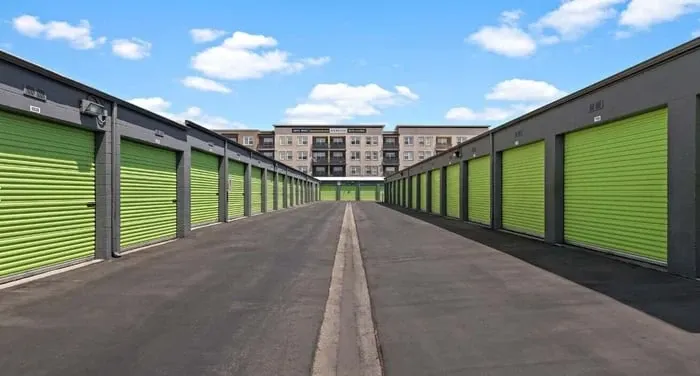
At STORAGExperts, our secure storage facilities reduce the risk of theft and vandalism. Our units feature gated access, surveillance cameras, and individual locks to keep your belongings safe. We advise avoiding leaving items unsecured or in easily accessible areas. By regularly checking your unit and following our winter storage tips, you can enjoy peace of mind and minimize potential damage or loss.
Steps to Pack and Protect Materials Properly
Packing items carefully is crucial for achieving successful winter storage. Follow these steps:
- Clean and dry all items thoroughly.
- Use high-quality containers, such as plastic bins and cardboard boxes.
- Wrap fragile items in bubble wrap or protective covers.
- Layer items with blankets, cloth, or acid-free paper.
- Elevate boxes and furniture using pallets or shelving units.
- Add moisture absorbers, such as silica gel packets, to prevent condensation.
- Label boxes clearly for easy access and organization.
Proper packing protects items against cold temperatures, moisture, pests, and accidental damage.
Optimize Storage Space Efficiently
Efficient use of storage space improves accessibility and reduces risks of damage. Stack boxes carefully, use vertical shelving, and keep frequently accessed items near the front. Avoid overcrowding, which can lead to crushed boxes or restricted airflow. Consider dividing the unit into zones for different types of items, such as electronics, furniture, and clothing, to make winter storage maintenance easier.
Regular Maintenance and Unit Checks
Routine checks of your storage unit are essential during the winter months. Inspect for moisture buildup, pests, or temperature-related damage. Replace batteries in electronics if necessary, rotate items prone to condensation, and adjust covers or insulation as needed. Keeping an eye on your unit prevents minor issues from becoming costly problems.
Consider Long-Term Winter Storage Solutions
For customers storing items for an entire winter or longer, professional winter storage solutions are ideal. Climate-controlled units, high-quality insulation, and proper shelving units reduce the risk of damage to sensitive goods. Work with your storage facility to understand the best options for your needs, whether you're storing furniture, electronics, artwork, or seasonal items.
Summary: Protecting Belongings Through Winter
Winter storage doesn't have to be stressful. By choosing the right storage unit, packing items properly, maintaining humidity and temperature control, protecting furniture, electronics, and fabrics, and monitoring for pests, moisture, and weather damage, you can safeguard your belongings throughout the season. Attention to detail, proper organization, and the use of quality materials and storage solutions ensure your possessions remain in top condition, giving you peace of mind until warmer months arrive.
Winter storage is all about preparation. With careful planning, the proper storage solutions, and consistent maintenance, your items will stay protected, organized, and ready for use, regardless of snow, ice, or cold temperatures.
Frequently Asked Questions
1. Can I store perishable items or food during winter storage?
Perishable items, even in winter, are not suitable for storage units. Freezing and thawing cycles, moisture, and pests can ruin food. Non-perishable packaged goods can be stored if they are sealed airtight, but check the storage facility's rules first.
2. How can I prevent frost or ice from forming inside my storage unit?
Frost or ice can form in non-climate-controlled units due to temperature fluctuations and condensation. Elevating items, using pallets, and employing moisture absorbers can reduce the risk. Climate-controlled units provide the best protection against ice buildup.
3. Is it safe to store delicate electronics like laptops and cameras in a standard unit during winter?
Standard units may expose electronics to cold temperatures and condensation, which can damage circuits and screens. Using insulated containers, bubble wrap, and silica gel packets, or opting for a climate-controlled unit, is recommended.
4. Can I store plants or garden supplies over the winter?
Live plants typically cannot survive in storage when exposed to freezing temperatures. For garden supplies, ensure soil, fertilizers, and pots are clean and dry. Tools should be cleaned, dried, and coated lightly with oil to prevent rust.
5. How often should I check my storage unit during winter?
Routine inspections are recommended every few weeks. Check for signs of moisture, condensation, pest activity, or temperature fluctuations. Regular checks enable early intervention, preventing minor issues from escalating into significant damage.
6. Are climate-controlled units always necessary for winter storage?
Climate control is ideal for temperature-sensitive items, such as electronics, wood furniture, leather goods, artwork, and musical instruments. Less sensitive items, such as plastic containers, bins of holiday decorations, or durable tools, may be stored safely in standard units with proper packing.
7. Can I store vehicles like cars, motorcycles, or boats during winter?
Yes, but special preparation is needed. Clean the vehicle, add antifreeze if necessary, use a cover to protect against snow and ice, and store gasoline or fluids according to manufacturer guidelines. Climate-controlled garages are preferred for long-term winter storage.
8. How do I prevent mold and mildew in winter storage?
Prevent mold and mildew by cleaning and drying all items, elevating them off the floor, using airtight containers or covers, and adding moisture absorbers, such as silica gel packets. Maintaining stable humidity levels inside the unit is crucial.
9. Can I store sensitive documents, photographs, or records in winter?
Yes, but use acid-free boxes, airtight containers, or plastic bins, and store them off the floor to prevent damage. Keep items away from areas with temperature fluctuations and damp conditions, such as basements or garages, to prevent damage.
10. What is the best way to manage long-term storage for winter items I won't need until spring?
For long-term winter storage, use climate-controlled units, organize items systematically, label boxes clearly, elevate items off the floor, and employ moisture protection. Regularly inspect units and replace silica gel packets or covers as needed to maintain item condition.