.webp)
Are Storage Units Safe?
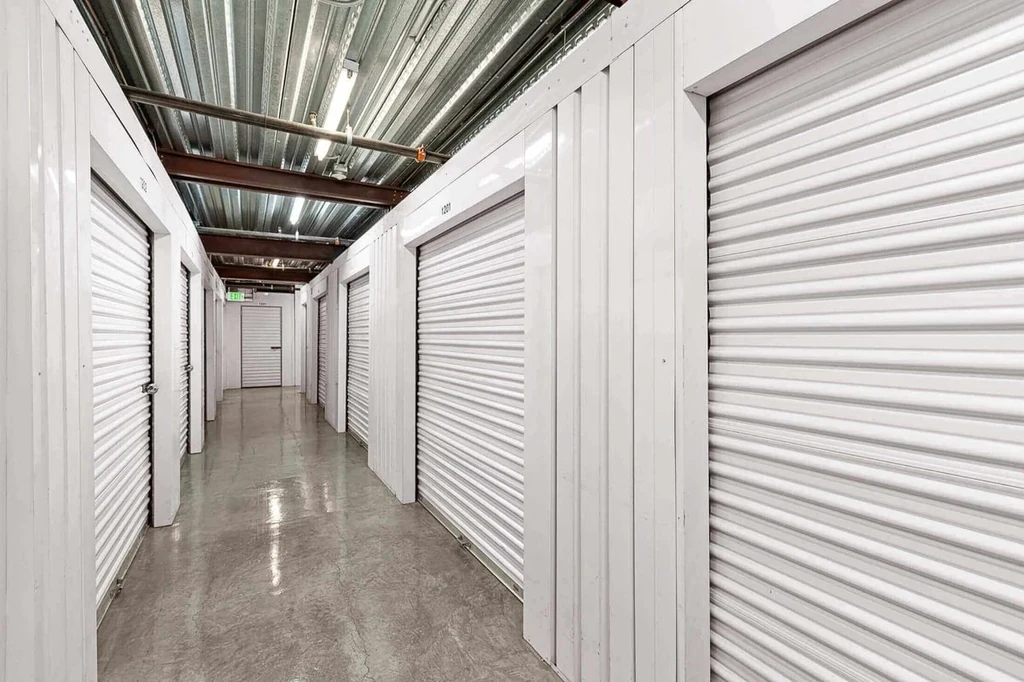
Storage units can provide an excellent solution when you run out of space in your home or office. Whether decluttering, storing seasonal items, or moving between homes, storage facilities offer a convenient way to store your things. However, as with any service, safety is critical when choosing a place to store your belongings. At STORAGExperts, we understand that you want to be sure your storage unit is safe and secure. With features like alarm systems, precautions for unauthorized access, guard monitoring, and sturdy doors, our storage facilities offer the peace of mind you need. In this article, we'll explore whether storage units are safe, discuss essential security measures, and provide helpful storage unit tips to ensure your items are well-protected.
What Are Storage Units?
A storage unit is a rented space within a self storage facility where individuals or businesses can store their items. Storage units come in various sizes and can accommodate everything from small personal items to large furniture, boxes, or business inventory. The door to your unit is secured to ensure that only authorized persons can access it. The facility access can vary based on the unit type and the storage company. Still, most facilities offer convenient and secure access to renters, including allowing friends or family to assist in certain situations. Whether you're in the business world or need personal storage, the number of units available means there is something for anyone—whether in Canada or elsewhere. It's essential to consider the situation of your items to ensure the proper protection is in place.
A storage facility might offer various options, including outdoor, indoor, and climate-controlled storage. Each option has its benefits, but the primary purpose of any storage unit is to provide a safe place for your belongings. Whether you're storing the contents of your garage or items that take up a lot of space, storage units offer different ways to simplify life. For anyone needing extra space, these options help safeguard your possessions while providing solutions for others with similar storage needs.
Why People Use Storage Units
There are numerous reasons why individuals and businesses choose to rent storage units. Some common reasons include:
- Decluttering: When people downsize or move, they often need a temporary or long-term solution to store furniture, documents, or other things that don't fit their new space.
- Moving: During a move, storing unit items in a safe space can make the transition more manageable and less stressful.
- Business Storage: Businesses may need to store inventory, seasonal items, or archives that don't require constant access.
- Seasonal Storage: Seasonal items like holiday decorations, camping equipment, or sports gear can be stored safely in storage space to keep your home tidy year-round.
No matter the reason, one thing is sure: you want to feel secure that your belongings are in good hands when using a storage facility.
How Secure Are Storage Units?
When considering renting a storage unit, one of the first questions is whether it will keep their belongings safe. The answer depends on several factors, such as the security features of the storage facility, the location, and how well the facility is managed. At this point, you may have concerns about the security of your bags or other valuable items. This is where a reliable storage facility becomes essential, and we'll address those concerns in this blog. If you're unsure about any aspect, don't hesitate to ask a friend for advice or even reach out for further information. The part you choose in decision-making matters as much as the questions you ask.
Storage units are generally safe if you choose the right storage facility. However, like any service, not all self-storage units are created equal. STORAGExperts offers a variety of options designed to meet different needs, ensuring your belongings are kept secure in a well-maintained environment. To determine if a storage unit is secure enough for your needs, you need to consider the following aspects:
1. Security Features of the Facility
One of the first things to look for when choosing a storage unit is the level of security offered. A self-storage facility should have robust security systems to prevent theft and unauthorized access. If you have any questions about the security measures or encounter a problem, addressing them before committing to a unit is essential. These security features can include:
- Surveillance cameras: Continuous monitoring of the premises with cameras is essential. Cameras help deter potential thieves and provide evidence if anything happens to your items.
- Gated access: Many facilities have gated entrances requiring a key or entry code. This ensures that only authorized persons can access the property.
- Individual unit alarms: Some self-storage units go off if someone tampers with your unit.
- On-site staff: Having staff on-site at all hours can significantly improve the facility's security. Their presence can help deter crime and assist in emergencies.
- Keypad access: Facilities with keypad access at the entrance and to each unit ensure that only registered individuals can access the property.
2. Locking Mechanisms
The type of lock you use for your storage unit is another critical factor in determining the safety of your items. Many facilities will provide a lock, but you can often use your own. A high-quality padlock is the most effective way to secure your unit items. Avoid using cheap, easily breakable locks, as these are an easy target for thieves. Invest in padlocks with hardened steel shanks and resistant locking mechanisms. Additionally, consider locks with a shrouded design, which makes it more difficult for someone to cut the lock.
3. Climate Control
Climate control is an important feature, particularly for storing sensitive items. For example, furniture, documents, and other items like electronics, antiques, or artwork are prone to damage from high humidity or extreme temperatures. A climate-controlled storage unit can provide a more stable environment for these items, protecting them from mold, mildew, or damage caused by extreme conditions. Climate-controlled units are ideal for storing high-value belongings, like documents, furniture, or electronics.
4. Facility Maintenance and Condition
The storage facility's overall condition can also impact your belongings' safety. Ensure the facility is well-maintained, with clean floors, secure doors, and proper lighting. Poorly maintained facilities may be more susceptible to theft, damage, and environmental hazards like water leaks or pests. Before renting, ask for a tour of the storage facility and inspect the units for any visible damage.
5. Insurance Options
Some self-storage facilities offer insurance policies that cover the risk of theft, fire, water damage, or other types of loss. While most people rely on their own renters' insurance to cover their belongings, it's always a good idea to inquire about the insurance options available. This extra layer of protection can give you peace of mind, knowing you'll be financially protected if something happens to your unit items.
Key Factors to Consider for Safe Storage
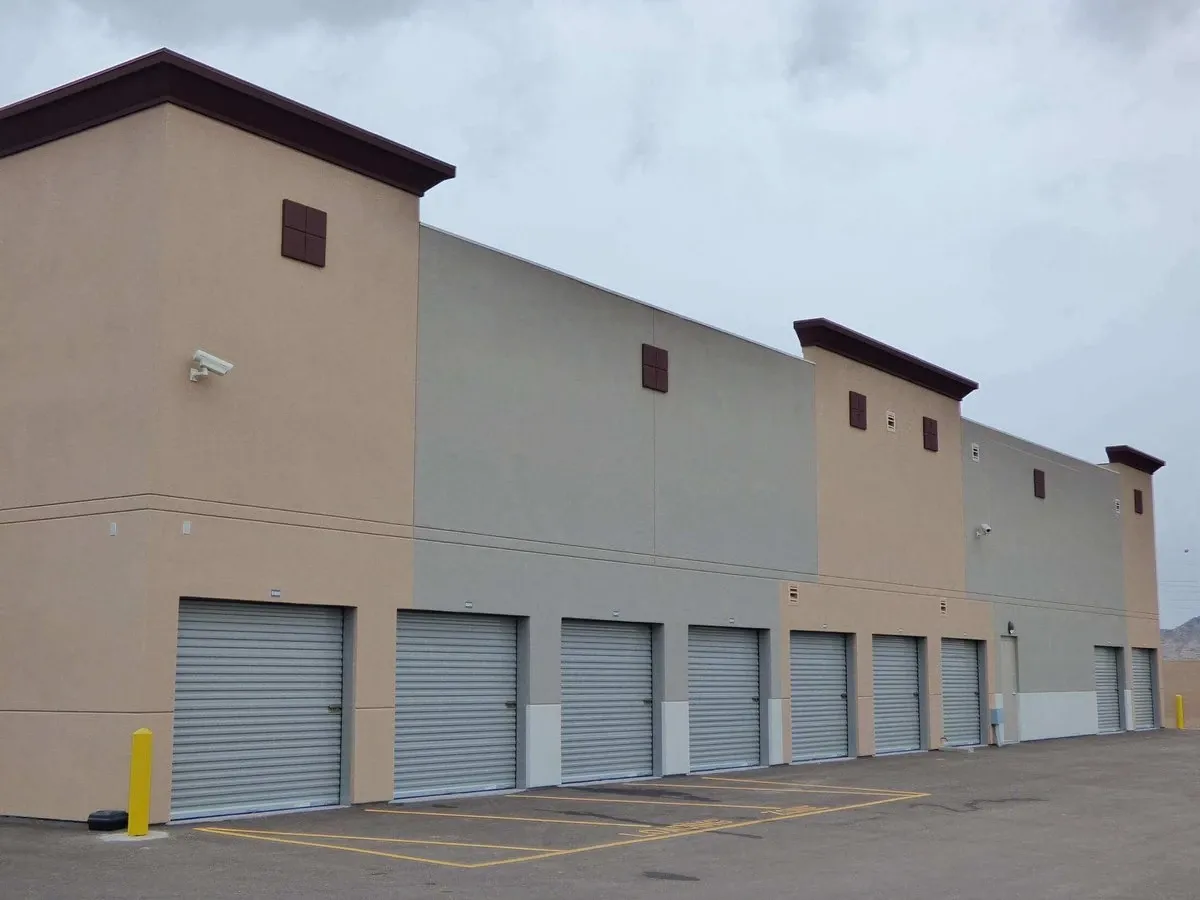
Discover secure and reliable storage solutions at STORAGExperts in Scottsdale, Arizona, with top-notch security and climate control.
Beyond security features and locks, there are a few other factors to consider when looking for a safe storage unit.
1. Location
The location of your storage facility can affect the service's security and convenience. A well-lit, low-crime area facility is generally safer than one in a remote or poorly lit location. Self-storage units located in urban centers or busy areas may offer higher levels of security, with more eyes on the facility.
2. Size and Organization
Selecting the right size for your storage unit is another important consideration. A storage unit that is too small can lead to cramped storage space and potential damage to your belongings. On the other hand, a too large unit will waste valuable money. Consider the amount of stuff you're storing and ask the facility for a size guide for storage units to help you pick the best fit. If you're storing clutter or seasonal items, choose a larger unit to accommodate future needs.
3. Facility Features
The features offered by a storage facility can make a big difference in the security of your items. Features like 24/7 access, digital monitoring, controlled entry, and climate control can all improve the security and accessibility of your storage unit. Items need a Climate-Controlled Storage Unit to ensure proper protection, especially for sensitive belongings. Always check the facility's reliability and the security measures they provide to protect your belongings.
4. Risk Management
If you're concerned about risks such as theft, climate control issues, or damage, ask the company about their risk management strategies. Do they have insurance? What happens if your unit is damaged or if someone gains unauthorized access? Having a reliable system to address potential issues can help ensure the safety of your stored items.
Conclusion: Making Safe Storage Decisions
In conclusion, storage units can be safe places to store your belongings when choosing a reputable storage facility with strong security measures, well-maintained conditions, and appropriate climate control features. Whether you're looking for a self-storage unit for furniture, documents, or seasonal items, ensure the facility you choose has the features and protections you need.
Always ask questions about the facility's security systems, insurance policies, and maintenance standards when in doubt. At STORAGExperts, we offer safe and secure storage solutions to meet your needs. We're here to provide the peace of mind you deserve when storing your most valuable belongings.
From locks and surveillance cameras to climate-controlled units and reliable access systems, we ensure your storage unit remains a safe place for your items. With the proper storage unit tips, you can make an informed decision and protect your clutter, documents, or furniture from theft and environmental damage.
Choosing a safe and reliable self-storage facility is one of the most critical decisions when seeking extra space for your belongings. Remember these considerations: your items will be secure and well-protected in your storage unit.
Frequently Asked Questions
What Items Are Not Allowed in Storage Units?
Most storage facilities have regulations on what items cannot be stored. These typically include hazardous materials like chemicals, flammable substances, explosives, perishables, and live animals. Firearms may require special licensing, and items such as illegal substances or stolen goods are strictly prohibited. Always check with your storage provider to ensure you comply with their policies.
Can I Access My Storage Unit Anytime?
The access hours for storage units can vary by facility. Some offer 24/7 access, while others have restricted hours, often between 6 AM and 9 PM. Confirming access hours when selecting a facility is essential, especially if you need frequent access to your items. Some premium facilities may provide extended hours or personalized access, depending on your needs.
How Do I Choose the Right Size Storage Unit?
To choose the right storage unit size, consider the quantity and type of items you plan to store. Small units (5x5 or 5x10) are ideal for boxes, small furniture, and personal items. Larger units (10x10 or 10x20) are better for more oversized furniture, appliances, or vehicle storage. Many storage facilities provide size guides or will assist you in selecting the best unit based on your needs.
Are there any hidden fees for storage units?
Some storage units may have additional fees, such as administrative charges, lock fees, or insurance premiums. Late fees may apply if you miss a payment, and certain facilities charge for things like moving supplies or access to climate-controlled units. Always inquire about any potential fees when renting a unit to avoid surprises.
How Do I Prepare My Items for Storage?
To prepare your items for storage, start by carefully packing fragile items with bubble wrap or packing paper. Use sturdy boxes and label them for easy identification. For furniture, disassemble pieces when possible to save space. If storing electronics or artwork, consider using protective covers or climate-controlled units. It's also important to keep an inventory of your items for future reference.
What is Climate-Controlled Storage and Do I Need It?
Climate-controlled storage units maintain a stable temperature and humidity to protect sensitive items. This is ideal for storing antiques, electronics, musical instruments, documents, and items prone to mold or mildew. If you're storing high-value or temperature-sensitive items, investing in climate control can help ensure they remain in good condition.
Can I Store My Vehicle in a Storage Unit?
Many storage facilities offer vehicles specifically designed for cars, motorcycles, RVs, and boats. You may need to rent a larger unit (such as a 10x20 or 10x30), and some facilities may have outdoor spaces designated for vehicle storage. Ensure the facility provides proper security and that you follow its guidelines for vehicle storage.
What Happens if I Lose My Key or Access Code?
Contact the storage facility immediately if you lose your key or access code. Most facilities will require you to verify your identity and may ask for proof of ownership of the unit. After verification, they can provide you with a replacement key or reset your access code. Be aware that some facilities may charge a fee for replacing locks or keys.
Do I Need Insurance for My Stored Items?
While your homeowners' or renters insurance may cover items in storage, it's often a good idea to check with your insurance provider to confirm coverage details. Many storage facilities offer insurance plans to cover potential damages from theft, fire, or natural disasters. Even if your insurance policy covers storage, additional coverage may be worth considering for peace of mind.
How Safe is My Storage Facility from Natural Disasters?
Storage facilities take various precautions to protect your belongings from natural disasters. These may include flood-resistant units, fire suppression systems, and proper ventilation. When selecting a facility, ask about its disaster preparedness plans and whether it has specific measures to protect your items during a disaster. Some facilities may also provide insurance coverage for natural disasters.