.webp)
Businesses Opt for Self-Storage for Space & Flexibility
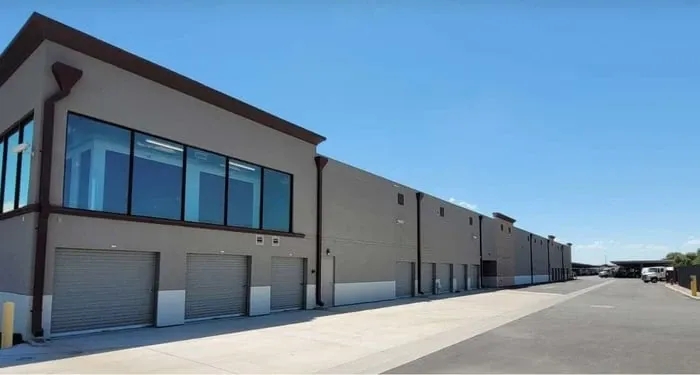
In today’s fast-paced business landscape, organizations are seeking flexible, cost-effective, and secure ways to organize their items, inventory, and office assets. Self-storage facilities offer rental spaces that enable individuals to store their belongings safely, thereby freeing up valuable living spaces and optimizing day-to-day operations. By offering specialized services, these facilities enable the organization to manage its resources efficiently while adapting to the evolving needs of its people and customers.
As market trends continue to shift, the organization is increasingly turning to self-storage solutions to remain agile. These facilities accommodate items for staff, customers, and other stakeholders while supporting services such as equipment management, document storage, and temporary storage of belongings. By leveraging self-storage, the organization can reduce costs, enhance operational flexibility, and create spaces that respond to the dynamic demands of modern business and living environments.
The Rise of Self-Storage in Business Operations
The self storage industry has seen remarkable growth in recent years. Driven by urbanization, e-commerce expansion, and evolving business models, storage facilities and other buildings now serve as critical infrastructure for businesses and renters across the country. According to recent developments and industry reports, the market is projected to maintain a steady growth trajectory, reflecting increasing demand from companies seeking flexible storage solutions of varying sizes. This article examines how these trends are shaping the sector.
Businesses are leveraging self-storage facilities not just for excess inventory, but also for equipment, archived documents, seasonal goods, and construction materials. The pandemic further accelerated this shift, underscoring how self-storage has become a vital component of operational planning and business expansion, providing organizations of all sizes with adaptable storage solutions.
Cost-Effective Storage Solutions
One of the primary reasons businesses turn to a storage facility is cost efficiency. Renting self-storage units offers a more affordable alternative to leasing or expanding office and warehouse space, especially in times of rising interest rates. Companies can avoid significant upfront investments in property, construction, and maintenance, instead paying only for the space they need while keeping their work and operations running smoothly.
For startups, entrepreneurs, and small to medium-sized businesses, these cost savings can be critical. Businesses can redirect funds toward other areas such as marketing, technology, or inventory, while still maintaining secure storage for their assets. In some cases, storage facilities also help manage overflow from homes or remote work setups, providing additional flexibility for people balancing professional and personal spaces.
Flexibility and Scalability for Modern Businesses
Self-storage solutions provide unmatched flexibility. Businesses can rent a storage unit of varying sizes to accommodate fluctuating inventory, seasonal products, or temporary projects. This enables retailers and other organizations to quickly adapt to changes in prices, demand, or the local environment, thereby optimizing space utilization and operational efficiency while protecting profits and reducing costs.
This flexibility also supports business continuity during peak seasons or unexpected surges in demand, enabling companies to manage operations efficiently across their areas of responsibility. By avoiding long-term leases and oversized facilities, businesses can respond to market changes while maintaining smooth operations and controlling costs.
Strategic Locations Enhance Accessibility
The strategic placement of self-storage facilities allows businesses to maintain proximity to their operational hubs, distribution centers, or customer bases. Easy access to storage units ensures timely inventory management, quicker order fulfillment, and reduced logistical challenges.
Urban self-storage facilities are particularly valuable, addressing space constraints while supporting businesses that operate in high-density areas. This convenience makes self-storage an attractive alternative for businesses seeking both efficiency and accessibility.
Security Features Protect Business Assets
Modern self-storage facilities prioritize security. Businesses benefit from advanced measures such as 24/7 surveillance cameras, electronic gate access, alarm systems, and climate-controlled units. Following self-storage tips to keep your belongings safe and secure can help safeguard valuable inventory, equipment, and sensitive documents from theft, damage, or environmental risks.
Secure storage not only protects physical assets but also supports compliance with data protection regulations and other legal requirements, ensuring peace of mind for business owners while maximizing the efficiency and reliability of their storage solutions.
Technology Integration Streamlines Operations
Technology has revolutionized the self-storage industry, offering businesses digital tools to manage their assets efficiently. Features such as online reservations, inventory tracking apps, automated billing, and real-time access reports simplify management.
For e-commerce companies, tech-enabled self-storage facilitates accurate stock monitoring, order tracking, and seamless integration with logistics systems, reducing errors and saving time.
Supporting E-Commerce Growth
The rise of online retail has significantly increased demand for self-storage solutions. E-commerce companies need flexible spaces to store inventory, handle returns, and manage seasonal surges. Self-storage units offer a cost-effective and scalable solution for meeting these growing operational needs.
Whether it’s storing surplus products during peak shopping seasons or managing bulk inventory for distribution, businesses find self-storage to be a practical solution for efficient operations.
Seasonal and Overflow Storage Solutions
Many businesses experience temporary spikes in demand during holidays, promotions, or special projects. Self-storage offers an ideal solution for seasonal or overflow inventory. By temporarily storing surplus products, companies can free up office or warehouse space while remaining prepared to meet customer demand.
These units can also house equipment, materials, or furniture for construction and renovation projects, providing temporary storage that does not disrupt core operations.
Document and Archive Management
Businesses often struggle with storing documents, records, and archived materials securely. Self-storage facilities provide organized spaces for sensitive documents, legal records, and historical archives, ensuring compliance while freeing up valuable office space.
Climate-controlled units also protect paper records and digital media from humidity, temperature fluctuations, and other environmental risks, reducing long-term storage risks.
Benefits for Startups and Entrepreneurs
Startups and small businesses often operate with limited capital and office space. STORAGExperts offers an affordable and flexible solution for storing inventory, office furniture, equipment, and other essential business items.
By reducing overhead costs, entrepreneurs can allocate funds toward growth initiatives, technology adoption, and customer experience improvements, while keeping their assets organized and secure with the trusted support of STORAGExperts.
Construction, Renovation, and Project Support
Businesses involved in construction, remodeling, or large-scale projects benefit from temporary storage solutions. Self-storage units provide a secure location to store equipment, tools, and materials, protecting them from theft, damage, or exposure to the elements.
Contractors and developers often rely on nearby storage facilities to streamline project logistics and improve on-site efficiency, reducing downtime and operational risks.
Enhancing Operational Efficiency and Customer Experience
Effective use of self-storage can improve overall business efficiency. By freeing up office space and optimizing inventory management, businesses can respond faster to customer needs, fulfill orders promptly, and maintain higher service levels.
The result is a better customer experience, which strengthens brand reputation and encourages repeat business. Organized, accessible, and secure storage solutions contribute directly to operational excellence.
Environmental Considerations and Sustainability
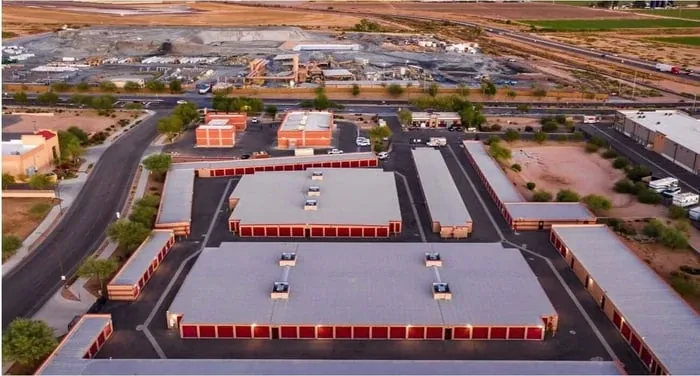
Modern self-storage facilities are increasingly adopting sustainable practices. Energy-efficient lighting, eco-friendly construction materials, and waste reduction initiatives allow businesses to align with environmental goals while storing assets securely in a climate-controlled storage unit.
Choosing environmentally responsible storage options demonstrates corporate responsibility and helps companies meet regulatory and consumer expectations for sustainability, all while protecting sensitive inventory and equipment from temperature and humidity fluctuations.
Urbanization and Space Constraints
As cities grow denser, securing affordable commercial space has become challenging. Self-storage provides businesses with a practical alternative to expensive office expansions or warehouses in urban areas.
This trend supports urban businesses, enabling them to operate efficiently without the limitations imposed by high property costs or limited square footage.
Real-Time Access and Asset Control
Digital integration in self-storage facilities allows businesses to access inventory in real-time, monitor storage usage, and manage operations efficiently. This control is crucial for businesses that require frequent access to goods, equipment, or documents, ensuring smooth workflows and minimized delays.
Long-Term Investment and Strategic Benefits
Investing in self-storage solutions is not only about meeting immediate operational needs; it is also a strategic long-term decision. Businesses gain scalability, security, and flexibility, which support growth, expansion, and adapt to changing market demands over time.
For developers and investors, self-storage facilities themselves represent a lucrative investment, driven by the ongoing demand from both businesses and individuals.
Conclusion
Self-storage solutions have transformed the way businesses manage space, inventory, and operations. From cost savings and operational efficiency to security, scalability, and sustainability, the benefits are clear.
As businesses face evolving challenges—from urbanization and e-commerce growth to seasonal fluctuations and space constraints—self-storage remains a vital solution. Its growing popularity across industries reflects a shift in how companies view storage: not just as a place for excess goods, but as a strategic tool to optimize efficiency, support expansion, and enhance customer experience.
The self-storage industry continues to innovate, integrating technology, climate control, and security measures to meet the diverse needs of modern businesses, making it an indispensable component of the contemporary business landscape.
Frequently Asked Questions (FAQs)
Can businesses customize a storage unit for specific equipment or materials?
Yes. Many self-storage facilities offer flexible units that can be tailored for specialized equipment, delicate inventory, or oversized items. Businesses can choose from various options, including layout, shelving, and climate control, to meet their operational needs efficiently.
Are there tax benefits or deductions for using self-storage for business assets?
In many regions, renting a storage unit for business inventory, documents, or equipment can be treated as a deductible business expense. Always consult a tax advisor to ensure compliance with local laws and maximize potential tax advantages.
How do insurance policies work for items stored in a facility?
Most facilities provide basic insurance, but businesses often purchase additional coverage to protect high-value or sensitive items. Policies cover theft, fire, or environmental damage, ensuring assets remain secure while in storage.
Can multiple departments or teams share the same storage unit securely?
Yes. Businesses can organize units with locks, partitions, or labeled sections to allow safe access for different teams. Access logs and security measures ensure accountability while maintaining operational efficiency.
Are self-storage facilities suitable for sensitive or high-value inventory?
Absolutely. Many units offer climate control, 24/7 surveillance, and restricted access. Sensitive electronics, documents, or seasonal high-value inventory can be stored securely, reducing the risk of damage or theft.
How do seasonal fluctuations affect the pricing and availability of storage units?
High-demand periods, such as holidays or peak project seasons, can impact unit availability and pricing. Businesses can reserve units in advance or opt for flexible leases to adapt to seasonal needs without incurring excessive financial commitments.
Can self-storage solutions support remote or hybrid work setups?
Yes. Self-storage can store office furniture, IT equipment, and supplies for remote employees, freeing home or office space. This flexibility helps organizations maintain productivity while managing work-from-home or hybrid arrangements.
What are the environmental impacts of large-scale self-storage facilities?
Modern facilities increasingly use energy-efficient lighting, eco-friendly materials, and waste reduction practices. Climate-controlled units and sustainable construction minimize environmental footprint while supporting corporate sustainability goals.
How can businesses integrate self-storage with existing inventory management systems?
Many storage providers offer digital tools, including inventory tracking apps, online reservations, and real-time reporting. These systems can integrate with ERP or e-commerce platforms for seamless monitoring and operational control.
Do storage facilities offer short-term leases for project-based needs or construction work?
Yes. Short-term or flexible leases allow businesses to store equipment, materials, or seasonal inventory during projects. This adaptability ensures secure storage without long-term commitments, supporting temporary expansions or construction timelines.