.webp)
Choose a Unit According to Your Belongings and Available Space
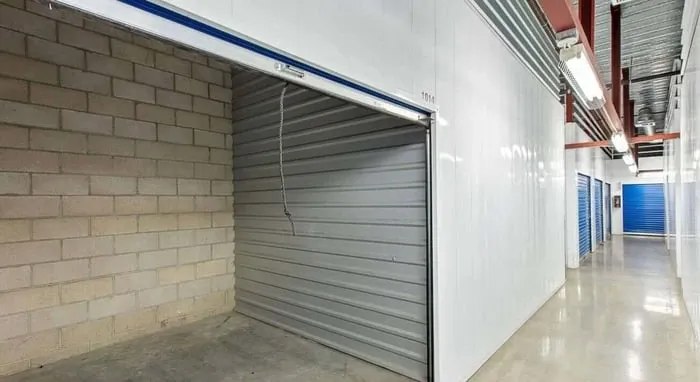
When it comes to choosing a storage unit, understanding the right size storage unit for your belongings can save you time, money, and stress. From studio apartments to large households, knowing how to calculate space, organize items, and estimate your unit size is crucial. This guide covers everything from unit dimensions to packing tips, ensuring your storage solution fits your needs.
Understanding Different Storage Unit Sizes
Storage units come in a variety of sizes, each designed to meet specific storage needs. Standard unit sizes in the U.S. include 5x5, 5x10, 10x10, 10x20, "Additionally, larger units like 10x30 are ideal for those who may be storing the contents of a small house during a move or renovation." and 10x30 ft. Smaller units, such as 5x5, are suitable for storing boxes or items from a studio apartment, while larger units, like 10x30, can accommodate an entire household, including furniture, appliances, vehicles, and trailers. Customers can rent units in their preferred area and access detailed information, self storage services, and an online account to make informed decisions.
Standard Unit Sizes and Their Uses
- 5x5 ft – Ideal for boxes, clothing, or small appliances. Equivalent to a closet.
- 5x10 ft – Fits furniture, boxes, and small room contents. Comparable to a small bedroom.
- 10x10 ft – Accommodates furniture from a one-bedroom apartment, mattresses, and household items.
- 10x20 ft – Stores all items from a large apartment or small house, including appliances, bedroom sets, and living room furniture.
- 10x30 ft – Perfect for large homes, vehicles, boats, or business equipment.
Each unit size offers different capacities, heights, and access options, allowing customers to select a facility that meets both their budget and space requirements.
Calculating Space Requirements for Household Items
To estimate storage space, consider the number of rooms, furniture pieces, and boxes you have. Create an inventory list of belongings, including clothing, appliances, sports gear, decorations, and bikes. Take into account the types of items and ensure there is plenty of space for each. Also consider the pricing in your country, and how you will pay for the unit. Customers can note trademarks or brand-specific items when organizing their inventory to ensure accurate tracking.
Space Needed by Room
- Bedroom – Dressers, mattresses, beds, clothing.
- Living Room – Sofas, coffee tables, and entertainment centers.
- Kitchen – Appliances, boxes of utensils, and small furniture.
- Garage – Tools, motorcycles, ATVs, sports equipment, trailers.
A 10x10 storage unit typically fits the contents of a one-bedroom apartment, while a 10x20 unit can accommodate the contents of a two- to three-bedroom house. For larger properties, including boats, cars, RVs, or jet skis, a 10x30 or larger unit may be necessary.
Estimating Storage Space for Vehicles
Many storage facilities offer units suitable for vehicles, trucks, cars, motorcycles, ATVs, RVs, and boats. Consider the vehicle dimensions and required parking space inside the facility.
- Motorcycles or ATVs – Small 10x10 units can suffice.
- Cars or trucks – Medium 10x20 units typically accommodate one vehicle plus boxes.
- RVs or boats – Larger 10x30 units with high ceilings provide ample room.
Check the unit features, such as wide doors, drive-up access, and parking spaces, to ensure easy loading and unloading.
Choosing Storage Units Based on Household Needs
Every household has unique storage needs. A studio apartment requires only a 5x10 unit, while a multi-bedroom house needs a 10x20 or 10x30 unit. Consider the type of items, quantity, and whether you’ll need climate-controlled storage.
- Small apartment – Store boxes, clothing, small furniture, and appliances.
- Large home – Include furniture, kitchen appliances, sports gear, and seasonal decorations.
- Business Storage – Utilize units for storing inventory, office equipment, and files.
Tips: Utilize stackable boxes, wardrobe boxes, and shelving units to optimize storage space and enhance organization.
Storage Units for Seasonal Items
Seasonal items, such as decorations, sports gear, or clothing, require temporary storage solutions. Climate-controlled units protect items from weather changes, humidity, and temperature extremes, especially for mattresses, electronics, and sensitive equipment.
Tip: Label boxes and create an inventory list to easily locate items when needed. Using transparent boxes or videos of contents can further simplify retrieval.
Organizing Your Storage Space Efficiently
Proper organization ensures you maximize space and protect your items.
- Place heavier boxes on the bottom and lighter items on top.
- Create walking paths to access items at the back of the unit.
- Use shelving units for boxes, appliances, and tools.
- Disassemble furniture to save room.
A well-organized unit allows customers to move items in and out without having to rearrange everything, making access straightforward.
Packing and Protecting Your Belongings
Use high-quality boxes, packing tape, bubble wrap, and furniture covers to ensure the protection of your items. Label each box clearly and categorize by room or type of content.
Household items, such as clothing, books, and appliances, require different packing techniques. Fragile items require extra padding, while sports gear or tools may need protective cases.
Understanding Storage Facility Features
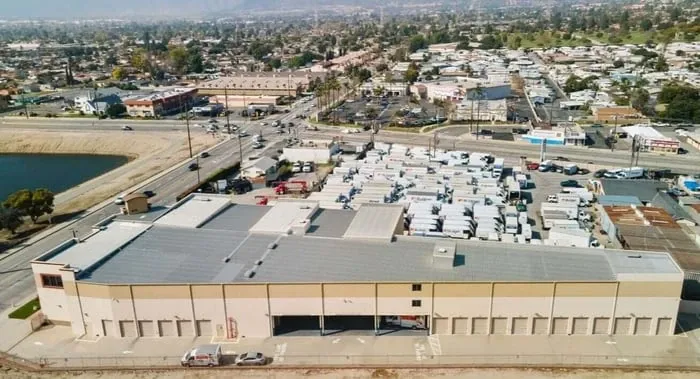
Modern storage facilities provide a range of features designed to enhance security, accessibility, and convenience.
- Access hours: Some facilities provide 24/7 access, while others have restricted times.
- Security: Look for gated entry, video surveillance, and on-site staff.
- Climate control: Protect furniture, electronics, and documents from extreme temperatures.
- Drive-up access: Essential for vehicles, trucks, and large appliances.
- Parking spaces: Convenient for cars, RVs, and boats.
These features influence the price, unit size, and availability, enabling customers to select the best solution for their specific needs.
Factors Influencing Storage Unit Size Choice
Several factors determine the proper storage unit size:
- Number of items: More belongings require a larger unit.
- Furniture dimensions: Measure beds, sofas, dressers, and appliances.
- Vehicle storage: Consider the dimensions of your truck, car, boat, or RV.
- Future needs: Choose a slightly larger unit for extra storage space.
- Access frequency: Frequent retrieval may require easier organization and walk-in access.
Using a storage unit size chart can help visualize capacity and match your household or business needs.
Using a Storage Unit Size Chart
A storage unit size chart provides dimensions, capacities, and examples of items that can be stored.
- 5x5 ft – Small boxes, seasonal clothing.
- 5x10 ft – Bedroom or studio apartment contents.
- 10x10 ft – One-bedroom apartment, furniture, and boxes.
- 10x20 ft – Two-to-three-bedroom house, appliances, and large furniture.
- 10x30 ft – Large home, multiple vehicles, boats, or business inventory.
These charts enable customers to make informed decisions about unit size, commitment, and pricing.
Budgeting for Your Storage Unit
Price depends on unit size, location, features, and access options. Urban areas typically have higher rates due to demand and property costs.
- Smaller units – Lower cost, suitable for closets or small apartments.
- Medium units – Affordable for apartment moves or one-bedroom homes.
- Large units – Higher cost, necessary for houses, vehicles, and extensive inventories.
Tips: Compare locations, availability, and unit features to find the best value.
Climate-Controlled vs. Standard Units
Climate-controlled storage units protect sensitive items, such as mattresses, electronics, documents, and wooden furniture, from humidity, temperature fluctuations, and weather-related damage.
Standard storage units are sufficient for durable household items, boxes, and vehicles, especially if the facility is secure and well-maintained.
Flexibility and Commitment in Storage Rentals
Storage facilities offer short-term and long-term rental options. Flexibility is essential for moving, managing business inventory, or handling seasonal items.
- Short-term rentals – Ideal for temporary storage during a move.
- Long-term rentals – Ideal for storing household items or business equipment.
Check facility policies for fees, access, and storage rights to avoid unexpected costs.
Tips for Maximizing Your Storage Space
- Disassemble large furniture to save room.
- Stack boxes strategically with heavier items on the bottom.
- Use shelving units and closets inside the unit.
- Store seasonal items in labeled containers for easy access.
- Keep an inventory list for efficient retrieval.
These practical tips ensure you get the most from your unit while protecting your belongings.
Choosing the Right Storage Facility Location
Consider a STORAGExperts facility near your home, apartment, or business to simplify access. Locations in central U.S. states, such as Arizona, offer convenience, security, and additional services.
Neighborhood considerations:
- Accessibility – Ensure easy driving access for trucks, trailers, and vehicles.
- Security – Gated properties with cameras increase peace of mind.
- Amenities – Features like climate control, wide aisles, and convenient parking spaces enhance storage solutions.
Business Storage Solutions
Businesses often require storage units for inventory, equipment, documents, and office supplies. Consider unit size, access hours, and security features.
- Small businesses may use a storage unit for their small business needs, such as 5x10 or 10x10 units, for storing inventory and documents.
- Medium to large businesses – Use 10x20 or 10x30 units for bulk items, equipment, and vehicles.
- Seasonal storage – Ideal for holiday inventory or promotional materials.
Tips: Organize business storage with labeled boxes, shelves, and an inventory tracking system for maximum efficiency.
Vehicle and Recreational Storage Solutions
Many customers use storage units for cars, trucks, motorcycles, ATVs, boats, and jet skis.
- Ensure unit dimensions match the vehicle size.
- Check for drive-up access, high ceilings, and parking spaces.
- Consider covered or climate-controlled options for protecting your RV or boat.
Storage Unit Access and Security
Access and security are vital for safe storage.
- Access hours – Verify if the facility offers 24/7 or scheduled access.
- Security features – Look for gated entry, cameras, on-site management, and secure doors.
- Locks and insurance – Use high-quality locks and consider insurance for valuable items.
Moving and Packing Advice
Efficient packing boxes for moving strategies save time and reduce stress :
- Create an inventory list for all items and boxes.
- Disassemble furniture when possible.
- Use quality packing materials to protect fragile items.
- Plan unit layout for easy access.
Final Tips and Guide to Choosing the Right Unit
Choosing the proper storage unit size requires planning, accurate estimation, and consideration of future needs.
- Use a size chart to match your household, apartment, or business items.
- Consider unit features, location, and access.
- Factor in budget, flexibility, and security.
- Maintain an inventory and utilize organizational tools to optimize space.
With careful planning, customers can select a unit size that provides ample room for belongings, secure storage, and peace of mind.
Conclusion
Finding the proper storage unit involves balancing size, features, location, and budget. Whether you need space for a studio apartment, house, business inventory, or vehicles, understanding unit dimensions, storage solutions, and facility features ensures a stress-free storage experience. Proper organization, packing, and planning maximize your storage space and protect your belongings, giving you confidence in your storage solution.
Frequently Asked Questions About Storage Units
1. Can I Switch to a Different Storage Unit Size Later?
Yes, most storage facilities allow customers to upgrade or downgrade their unit size according to their changing needs. If your belongings increase or decrease, contact the facility to transfer your items or reserve a larger/smaller unit. Some facilities may charge pro-rated fees depending on availability.
2. Are There Restrictions on What I Can Store in a Unit?
Storage units typically cannot hold hazardous, flammable, or perishable items. Items like chemicals, propane tanks, and certain food products are prohibited. Vehicles, boats, and trailers are allowed if the unit has proper access, doors, and height for safe storage.
3. How Do Climate-Controlled Units Differ from Standard Units?
Climate-controlled units maintain a consistent temperature and humidity, protecting sensitive belongings such as mattresses, electronics, documents, and wooden furniture. Standard units are suitable for durable items, such as boxes and vehicles, but may be affected by extreme weather conditions in specific locations or countries.
4. What Insurance Options Are Available for Stored Items?
Many storage facilities offer insurance coverage to protect your belongings from theft, fire, or other types of damage. Customers can also use homeowner or renter insurance policies, provided they are approved. Always check facility policies for coverage details and rights before storing valuable items.
5. Can I Access My Unit After Hours or on Weekends?
Access depends on the facility. Some offer 24/7 access, while others have limited operating hours. Check the facility’s location and access policies. Units with drive-up access or walk-in closets can make retrieval easier for frequent use.
6. Are There Discounts for Long-Term Rentals or Multiple Units?
Many self-storage facilities offer promotions, discounts, or reduced pricing for long-term rentals, multiple units, or seasonal storage solutions. Always ask about availability, pricing, and account options to maximize budget efficiency.
7. How Do I Reserve a Storage Unit Online or in Advance?
Most facilities allow customers to reserve units online through their websites or mobile apps. You can choose the unit size, location, and rental period. Reserving early ensures availability, especially in high-demand areas like Los Angeles, Miami, or Chicago.
8. What Safety Measures Are in Place for Vehicle Storage?
Facilities that store cars, trucks, motorcycles, ATVs, boats, and trailers typically have gated entry, cameras, and on-site staff. Units may offer covered or climate-controlled options to protect vehicles from weather and damage.
9. Do Storage Facilities Provide Moving or Packing Supplies?
Many facilities sell or provide boxes, packing tape, bubble wrap, wardrobe boxes, and furniture covers. Using these supplies ensures your belongings are protected and organized during storage and moving.
10. How Do I Estimate the Number of Boxes My Items Will Need?
Start by creating an inventory list of your belongings, including clothing, appliances, sports gear, and decorations. Estimate box sizes for different items (small boxes for books and clothing, large boxes for appliances or decor). Refer to the unit size charts to determine how many boxes your unit can comfortably hold.