.webp)
Essential Do’s and Don’ts for Renting a Storage Unit
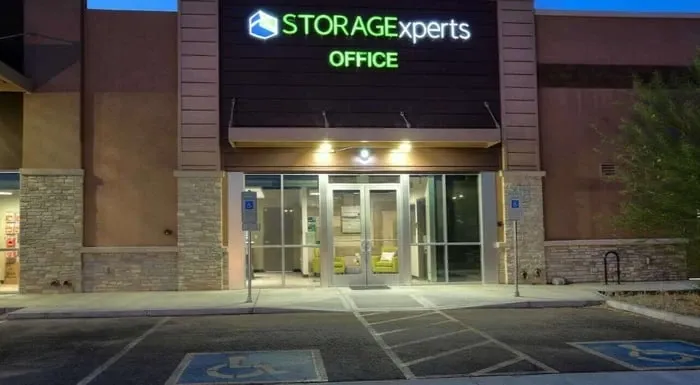
Renting a storage unit can be a practical and cost-effective solution when you need extra space for your belongings. Whether you're decluttering your home, organizing seasonal items, or storing business inventory, self-storage offers a flexible way to keep your stuff safe and accessible. Understanding the different types of units, the amenities offered by facilities, and any restrictions on what you can store ensures you make the right choice for your needs. Reading reviews from other renters can also provide valuable insight into the quality, security, and overall experience of a facility.
Before committing to a unit, plan how you will organize your belongings inside and consider how you'll access them. Choosing the right lock and understanding payment options, rental agreements, and costs upfront can prevent surprises later. Self storage units allow you to store almost anything safely, but being mindful of rules and restrictions, as well as knowing the available amenities, can make the process smoother and protect your belongings over time.
Understand Your Storage Needs
Before selecting a storage unit, gather all the necessary information about what items you'll be storing. This includes household goods, furniture like a couch, essential documents, or even cars. Understanding the reasons for storing each item and taking inventory of everything you plan to keep will help you determine the correct size and type of self-storage unit. Reviewing contracts carefully ensures you know the rules, access terms, and any restrictions for storing larger items such as a car.
When planning, consider:
- The number of boxes or bins you have
- Large furniture or appliances that require special handling
- Seasonal items like clothing, holiday decorations, or sports equipment
Understanding your storage needs ahead of time can prevent unnecessary costs and ensure your belongings remain safe and organized, whether you're storing items from your house, RV, or business inventory. Creating a preliminary inventory list also allows you to track and manage your items more efficiently, giving you a clear account of everything in your storage space. Being aware of regulations at different self-storage locations, as well as electricity access and other amenities, can make a big difference. Many people use blogs and resources from storage companies to learn best practices and see how others successfully manage their storage units.
Choose the Right Storage Unit Size
Storage units come in various sizes, typically ranging from 5'x5' to 10'x30', and choosing the right size can be a crucial matter for storing everything efficiently. Whether you need space for household items, a vehicle, motorcycles, a boat, tools, or even items from your garage or office, selecting the appropriate unit ensures you avoid overpaying for unused space or cramming your belongings into a too-small unit. The amount of space you need can also depend on family needs, friends' contributions, or additional items like doors and furniture. In some cases, city or state regulations may affect what you can store, so it's essential to consider all possibilities before committing to a unit.
Consider these points when choosing a unit size:
- Small units (5'x5' or 5'x10') are suitable for boxes, small furniture, or seasonal items
- Medium units (10'x10' to 10'x20') can hold the contents of a one- or two-bedroom apartment
- Large units (10'x25' to 10'x30') accommodate larger homes, vehicles, or business inventory
If you're unsure, many self-storage facilities offer size guides, DIY tips, or even free consultations to help you select the perfect unit for your storage rental needs. In addition, comparing rates and minimum rental requirements can help you get the best value, and some facilities even offer a refund or special promotions for new customers. Renting a slightly larger unit can provide a lot of extra room for future storage, accommodate items from friends or family, and prevent overcrowding your belongings.
Consider Climate-Controlled Units for Sensitive Items
If you're storing items sensitive to temperature and humidity, such as electronics, artwork, or wooden furniture, consider renting a climate-controlled self-storage unit. These units maintain a consistent environment, protecting your belongings from potential damage caused by the elements. Before moving items in, make sure to review storage unit sizes and organize your labels for easy access. Proper planning, including arranging payments, scheduling a truck, and giving notice to anyone helping, ensures a smooth process. Homeowners and renters alike can avoid problems on the road or back at the facility, and being aware of any extra charge for climate control can help you budget effectively.
Benefits of climate-controlled units include:
- Protection from extreme temperatures, humidity, and mold
- Longer lifespan for delicate electronics and artwork
- Reduced risk of warping, cracking, or mildew
For items like musical instruments, documents, antiques, or even RVs, climate control is often the best option to avoid damage and reduce hassle. Even some seasonal items like winter coats, linens, and other belongings benefit from a regulated environment. When choosing a facility, consider the size, location, and cost of the unit, and review the contract carefully. A person storing items should also plan how to organize everything efficiently, select a reliable lock, and ensure convenient access to prevent any problems down the road.
Research Facility Security Features
Ensure the storage facility has robust security measures in place to protect your self-storage unit and the value of everything you store, whether it's cars, a couch, musical instruments, documents, or business items. Look for features like 24/7 surveillance cameras, gated access, and on-site personnel. Planning and understanding the facility's rules, regulations, and contracts can help prevent problems such as theft, unauthorized access, and damage from mold and humidity. Use locks and other security options for added protection, and keep an updated list or account of all items in boxes, bedrooms, or other storage spaces. Some facilities even guide what you can and cannot store—such as plants or fireworks—so you and others know how to use the storage space safely.
Key security features to check:
- Individual unit alarms or electronic locks
- Well-lit facilities and monitored entrances
- Staff available on-site during operating hours
Choosing a secure storage facility not only protects your possessions but also provides peace of mind for you, your family, and friends. High-security self-storage facilities often offer a variety of features such as proper ventilation, sturdy doors, and customizable organization options, which can reduce the risk of theft or damage to valuable items like artwork, tools, motorcycles, or even a boat. When considering companies, compare rates, minimum rental requirements, and the total amount you'll pay for the lease or rental agreement. Many facilities offer additional services, including DIY materials for packing, as well as options for photos or inventory lists of goods. Reading reviews from other customers and understanding the lease or contract terms can help you select the right facility, ensuring your items are well-protected and the storage solution meets all your needs.
Review the Rental Agreement Carefully
Before signing a lease, thoroughly read the rental agreement. Pay attention to details such as rental duration, payment terms, access hours, and any additional fees. Understanding these terms can prevent misunderstandings and unexpected charges.
Essential items to review include:
- Deposit and payment schedules
- Rules for access and entry
- Responsibilities for maintenance and damages
Taking the time to review your rental contract ensures you know your rights and obligations, avoiding conflicts with the facility later. Always ask questions if any clause is unclear or seems restrictive.
Use Appropriate Packing Materials
Utilize sturdy boxes, plastic bins, and protective covers to pack your items. Label each box clearly to identify its contents easily. This organization aids in the efficient storage and retrieval of your belongings.
Tips for packing efficiently:
- Use uniform-sized boxes to stack neatly
- Wrap fragile items in bubble wrap or blankets
- Avoid storing items directly on the floor—use pallets or shelves if possible
Proper packing also protects items from dust, moisture, and pests. Using the best packing supplies for a storage unit, such as sturdy boxes, plastic bins, bubble wrap, and protective covers, ensures your belongings stay safe and organized. A well-organized storage unit saves time when you need to locate or remove items in the future.
Don't Store Prohibited Items
Avoid storing items that most storage facilities, such as perishables, flammable materials, hazardous chemicals, and illegal substances, prohibit. Storing such items can lead to safety hazards and potential legal issues.
Every day, prohibited items include:
- Gasoline, fireworks, and explosives
- Perishable food, plants, and live animals
- Hazardous chemicals or paint
Always check the facility's rules before moving in. Storing restricted items can not only risk your belongings but also result in fines, eviction, or liability for damages.
Don't Overstuff the Unit
While it might be tempting to maximize space, overstuffing your storage unit can lead to damage to your belongings and make it difficult to access items when needed. Maintain clear pathways and avoid stacking items too high.
Helpful suggestions:
- Leave at least a foot of space for ventilation
- Stack heavier items at the bottom and lighter items on top
- Keep frequently used items near the front for easy access
A cluttered unit increases the risk of accidents, pests, and mold. Proper organization ensures that your items stay safe and accessible at all times.
Don't Forget to Insure Your Belongings
Most storage facilities offer insurance options for your stored items. Even if your homeowner's or renter's insurance covers off-site storage, it's essential to verify the extent of that coverage. Insuring your belongings provides peace of mind in case of unforeseen events.
Insurance benefits:
- Protection against theft, fire, or water damage
- Coverage for high-value items like electronics or artwork
- Peace of mind knowing your items are financially protected
Before purchasing additional insurance, confirm what your existing policies cover and whether the storage facility has any specific requirements.
Don't Use the Unit as a Living Space
Storage units are intended for storing belongings, not for habitation. Living in a storage unit is illegal and violates most facility agreements. Ensure the unit is used solely for its intended purpose to avoid legal complications.
Risks of misusing a unit:
- Legal consequences, including fines and eviction
- Safety hazards due to a lack of proper facilities
- Insurance coverage may be voided
Stick to using your unit for storage only and focus on organizing your belongings safely and efficiently.
Don't Overlook the Importance of Location
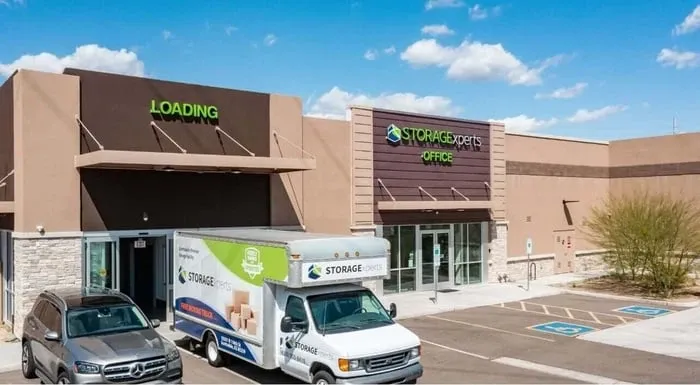
Choose a storage facility that is conveniently located relative to your home or business. Easy access can save time and effort when retrieving or storing items.
Consider these factors:
- Distance from your home or workplace
- Traffic patterns and accessibility
- Availability of nearby moving services or trucks
A strategically located storage unit from STORAGExperts can make a significant difference in convenience, especially if you plan to access it frequently.
Don't Forget to Keep an Inventory
Maintain a detailed inventory of the items stored in your unit. This list can be invaluable for insurance purposes and when retrieving items in the future.
Inventory tips:
- Number and label each box clearly
- Note the condition of valuable items with photos
- Update the list when adding or removing items
An organized inventory provides peace of mind and ensures you know exactly what's stored and where it is within your unit.
By following these dos and don'ts, you can ensure a smooth and secure storage experience. Renting a storage unit is a practical solution when managed thoughtfully, providing you with the extra space you need without unnecessary complications.
Frequently Asked Questions
1. Can I change the size of my storage unit after renting?
Many facilities allow renters to upgrade or downgrade their unit size depending on availability. It's essential to check the terms in your rental agreement for fees or notice requirements.
2. Are there seasonal promotions or discounts for storage units?
Yes, self-storage facilities often offer seasonal deals, first-month-free promotions, or long-term rental discounts. Checking current rates and asking about promotions can reduce your overall cost.
3. Can I store vehicles like cars, motorcycles, or boats in a unit?
Some storage units and specialized facilities allow vehicles, RVs, or boats, but this depends on unit size, indoor/outdoor storage options, and facility regulations. Always confirm accessibility and insurance coverage for vehicles.
4. What are the rules regarding access hours for storage units?
Access policies vary by facility. Some offer 24/7 access while others have restricted hours. Knowing this in advance helps you plan trips and avoid inconvenience.
5. Is it possible to split a single storage unit among multiple people?
Some facilities allow multiple renters to share a unit, but this must be specified in the lease or rental agreement. Shared units may affect access rights, security, and insurance coverage.
6. How should I handle storing sensitive items like electronics, artwork, or documents?
Climate-controlled units are recommended for temperature- and humidity-sensitive items. Additionally, using protective packing materials, proper labeling, and secure locks is essential.
7. Are there liability issues if my belongings are damaged in storage?
Liability often depends on the facility's insurance and your own coverage. It's crucial to understand who is responsible for damage due to fire, water, pests, or theft.
8. Can I terminate my storage rental early?
Most contracts include terms for early termination, but fees or notice periods may apply. Checking the rental agreement can prevent unexpected charges.
9. How do self-storage facilities handle pest control and cleanliness?
Good facilities regularly inspect units, maintain cleanliness, and offer guidance on preventing pests. Storing items off the floor and using sealed containers helps minimize risk.
10. Can I store items that require electricity or climate control, like appliances or sensitive equipment?
Some units provide electricity or climate-controlled options, but availability and cost vary. It's essential to verify features, rates, and usage policies before renting.