.webp)
Protect Items in Storage Units from Fire with Prevention and Insurance
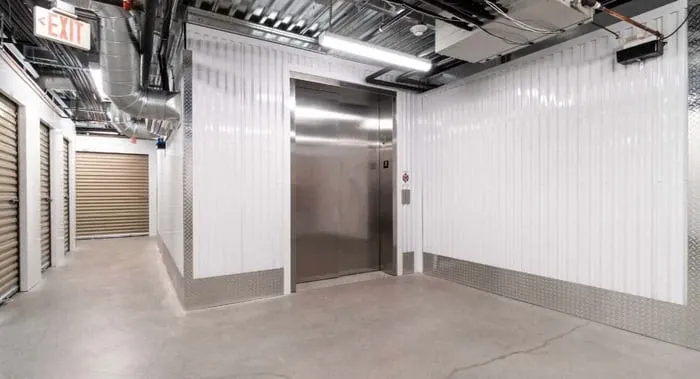
When you rent a storage unit, keeping your belongings safe from fire is just as important as securing them from theft. Fires inside self storage facilities can cause devastating damage, spreading quickly between units and threatening both people and things. Combustibles such as cardboard and fuel make the risk even greater, especially if a sprinkler system or extinguisher is not available. Regular inspection of every system ensures protection, while smart use of storage space and awareness help tenants and facility owners work together to reduce hazards and protect property.
Fire Risks in Storage Facilities
Storage facilities house a wide range of items and materials, and every self storage facility or self-storage facility must keep fire safety measures in mind. Combustible goods, cardboard boxes, documents, furniture, and equipment can all fuel flames when exposed to heat. Flammable liquids such as gasoline, propane, and chemicals increase the likelihood of disaster, making security and order essential at each site. Human error, smoking, electrical overload, and poor facility maintenance add to the risks. With the right words and clear policies, even one strong idea can make a big difference.
Because units are built close together, fires spread fast through doors, walls, and ventilation systems. Recognizing these dangers is a top priority, since prevention reduces the number of hazards tenants and owners must handle. Keeping safety in mind ensures belongings remain protected, and applying proven fire safety measures at the top level of facility management is the most effective way to protect both people and property.
Responsibilities of Storage Facility Owners
Owners of self-storage facilities must prioritize fire safety from construction to daily operations, no matter the locations or size of the site. Every location should be built with fire-resistant materials, sprinkler systems, smoke detectors, and a reliable fire suppression system to maintain control during emergencies. Regular inspections of fire alarms, extinguishers, and emergency exits ensure these systems remain functional, reducing the risk of damages that could result from preventable hazards.
Owners should also enforce strict rules about prohibited materials and pay close attention to staff training. A man or team with strong experience in safety can prepare for many possible scenario situations, whether involving vehicles in storage, high-risk area hazards, or tenant-related mistakes. With the right sense of responsibility and consistent fire prevention measures, facilities protect people, belongings, and property from serious loss.
Essential Safety Steps for Tenants
Tenants share responsibility for protecting their belongings and reducing risks in their units. Practical tips include:
- Do not store flammable or hazardous materials such as propane, gasoline, or chemicals.
- Keep cardboard boxes organized and avoid stacking them too high.
- Never overload electrical outlets or use equipment inside storage units.
- Leave clear access to sprinklers, ventilation, and exits.
- Use fire-resistant containers for documents and valuables.
- Follow facility rules on smoking bans and restricted items.
By practicing these measures, tenants safeguard their belongings and contribute to overall facility safety.
Fire Prevention Systems in Storage Units
Well-managed facilities invest in advanced fire prevention systems. Common protections include:
- Sprinkler systems to suppress flames before they spread.
- Fire suppression systems designed for specialized hazards.
- Smoke detectors and alarms for early warning.
- Accessible fire extinguishers throughout the facility.
- Clearly marked emergency exits with proper lighting.
- Construction materials that slow fire spread.
These systems, combined with regular inspections, reduce risks and limit damage.
Importance of Insurance Coverage
Even with strong prevention strategies, accidents may still occur, and this article highlights why insurance is critical. Many tenants ask, “Do I Need Insurance for My Stored Items?” The answer is yes—facility owners carry policies for property damage, but tenants should also secure insurance to cover stored belongings. Different forms of coverage are available to customers, and policies vary in types, frequency of payment, and protection against specific risks. In the event of a fire alarm or other emergency, the right policy ensures that damages are financially manageable.
Tenant insurance can include coverage for documents, furniture, equipment, and other stored goods against fire, smoke, and water damage. Tools at hand such as fire safety awareness, risk management, and proper insurance give tenants peace of mind. The exact amount of protection may differ depending on the policy, so reviewing details carefully helps tenants understand their responsibilities and coverage level.
Training and Awareness for Staff and Tenants
Fire safety training is essential for facility staff. Employees must know how to use extinguishers, respond to alarms, and guide tenants through evacuation procedures. Awareness programs—such as posted rules, newsletters, and reminders—reinforce tenant responsibility.
Local firefighters can assist facilities with drills and inspections, ensuring readiness in case of an emergency.
Common Causes of Fires in Storage Units
The most frequent fire causes in storage units include:
- Storing gasoline, propane, or chemicals.
- Smoking in or near storage spaces.
- Electrical overload from unsafe equipment.
- Arson or intentional damage.
- Faulty wiring or lack of maintenance.
- Careless handling of flammable goods or cardboard boxes.
Recognizing these causes allows for stricter rules and preventive steps.
Steps to Follow During a Fire
If a fire breaks out in a storage facility, quick action saves lives:
- Alert staff and call emergency services immediately.
- Evacuate using clearly marked exits.
- Avoid smoke-filled areas and stay low to the ground.
- Never attempt to re-enter a burning unit.
- Provide firefighters with information about stored contents.
Preparedness reduces panic and ensures faster, safer evacuation.
Inspections and Maintenance to Prevent Fire Hazards
Regular inspections protect both the facility and tenants. Key areas include:
- Sprinkler and suppression systems.
- Fire extinguishers and alarms.
- Emergency lighting and exits.
- Electrical systems for overload risks.
- Walls, doors, and ventilation points.
Consistent maintenance demonstrates professionalism and builds tenant trust.
Regulations and Facility Policies

Storage facilities must comply with local fire codes and safety regulations. At STORAGExperts, policies are designed to clearly prohibit hazardous materials, define safety procedures, and outline tenant responsibilities. Enforcing these rules prevents unsafe storage practices and ensures that every tenant understands their role in fire prevention.
Compliance also protects businesses from legal issues, fines, and reputational damage, while reinforcing trust between STORAGExperts and its customers.
Protecting Belongings and Valuables
Different belongings require unique protection methods:
- Store documents in fireproof containers.
- Cover furniture with fire-resistant materials.
- Keep electronic equipment secured in protective cases.
- Avoid overpacking cardboard boxes.
- Place valuable goods away from walls and vents.
Businesses that use self-storage can safeguard equipment and inventory with the same methods, reducing financial risks.
Emergency Planning for Facilities and Tenants
Emergency planning ensures both owners and tenants are prepared. A strong plan includes:
- Evacuation routes and meeting points.
- Clear instructions on alarms and extinguishers.
- Contact information for emergency services.
- Regular fire drills for staff and tenants.
These measures minimize confusion and improve safety in real emergencies.
The Long-Term Value of Fire Prevention
Fires cause severe financial loss, emotional stress, and damage to business reputations. Proactive fire safety reduces risks, protects tenants’ belongings, and maintains trust in storage facilities.
From installing sprinklers to following rules about flammable goods, each step adds to overall protection. Prevention is always more cost-effective than recovery.
Conclusion
Fire safety in storage units requires cooperation between facility owners, staff, and tenants. Owners must design and maintain secure self-storage facilities, while tenants must store items responsibly and follow rules. Together, these actions reduce risks, prevent disasters, and protect belongings.
STORAGExperts encourages tenants and businesses to make fire safety a priority when choosing and using storage units. With preparation, awareness, and prevention, your belongings remain secure against fire hazards.