.webp)
Use Sturdy Boxes, Wrap Items in Bubble Wrap, and Store Upright

Storing fragile items in a storage unit requires careful planning, proper packing, and the right storage environment. The best way to preserve your belongings—whether glassware, collectibles, electronics, or furniture—is to use sturdy boxes with plenty of cushioning. Organize each box so that individual pieces are protected and nothing shifts during storage. Proper arrangement on shelves can also make a big difference, allowing you to maximize space while keeping fragile items easily accessible and safe from damage.
At STORAGExperts, we emphasize not just packing, but thoughtful organization. By grouping similar items, labeling everything clearly, and using shelves effectively, you can store a lot without risking breakage. This method ensures each piece has its place, preserves its condition, and gives you peace of mind knowing there’s a reliable way to protect anything you put into storage.
Choosing the Correct Storage Unit
The foundation of safe storage is selecting the right self-storage unit. Storage units come in various sizes, types, and features, and choosing the right one reduces risk. In addition to considering the unit’s size, think about how you will organize dishes, equipment, devices, hoses, and other items. Leave enough room to run another area of your life efficiently, ensuring each piece has space and won’t get damaged. Wrapping fragile items in newspaper or padding can further protect them, making it easier to store everything safely and extend their lifespan.
Standard Units Suit Durable Items
Standard self-storage units are ideal for items such as books, furniture, clothing, and glass ornaments. Proper packing and organization are still required to maintain condition and minimize dust, dirt, or breakage. One idea is to wrap fragile ones in newspapers or use proper tools and cushioning to prevent damage. In many cases across the United States, careful planning saves both money and effort, making the task of storing valuable items much easier and more secure.
Proper Unit Size Avoids Overstacking
Selecting the correct size prevents crushing fragile items or wasting space. Take an inventory of all items to determine your storage space needs, including boxes, furniture, shelving units, and garments. Following a step-by-step guide, like the tips shared on our blog, can help you organize effectively. Consider your storage unit’s locations and layout to make sure everything fits safely and is accessible.
Climate-Controlled Units Protect Fragile Items
Climate-controlled storage units maintain consistent temperature and humidity, protecting items prone to mold, mildew, odors, or warping. This is crucial for electronics, leather, artwork, and glassware. Climate control prevents extreme heat, cold, or humidity from damaging sensitive belongings.
Preparing Fragile Items for Storage
Preparation is essential to minimize risk and ensure everything stays in pristine condition.
Clean and Dry All Items
Every item should be clean and dry. Moisture increases the chance of mold, mildew, odors, and deterioration. Use towels or sheets to dry delicate items like glassware or ceramics.
Gather High-Quality Packing Supplies
Essential packing materials include:
- Cardboard boxes and plastic containers
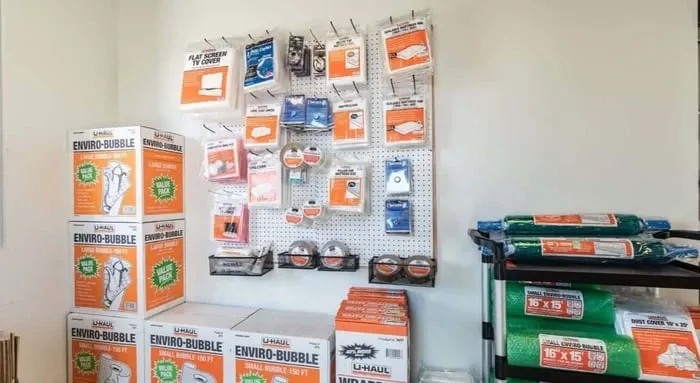
- Bubble wrap, packing paper, and foam padding
- Blankets, sheets, and towels for large items
- Tape, labels, and markers for organization
- Shelving units or pallets to maximize vertical space
Having the right supplies reduces the risk of breakage and allows for safe stacking and organization.
Create a Detailed Inventory
An inventory list helps track each item’s condition, value, and location in the unit. Include notes for fragile items and items needing extra protection. Photographs are a good supplement for insurance purposes.
Packing Fragile Items Correctly
Proper packing techniques are crucial for protecting fragile belongings.
Choose Sturdy Boxes and Containers
Select boxes or storage bins that fit items snugly without overloading. Heavy items may require double-boxing with padding. Avoid using damaged or weak cardboard boxes, as they increase the risk of breakage.
Cushion Items Thoroughly
Wrap each piece individually with bubble wrap, packing paper, or foam padding. Avoid letting items touch each other, which can lead to scratches, cracks, or breakage.
Protect Plates, Glassware, and China
- Wrap every piece individually in bubble wrap or packing paper.
- Store plates vertically, like records, to reduce pressure.
- Fill empty spaces with paper or foam to prevent movement.
- Avoid stacking heavy boxes on fragile items.
Protect Electronics and Appliances
- Remove batteries to prevent corrosion.
- Wrap electronics in anti-static bubble wrap.
- Keep small appliances in boxes with padding to avoid scratches and dents.
- Ensure refrigerators and other appliances are drained and clean.
Safeguard Furniture and Large Items
- Disassemble bed frames, tables, and chairs where possible.
- Cover with blankets, sheets, or plastic covers to protect from dust, dirt, and scratches.
- Use padding on corners and edges to prevent damage in storage aisles.
Organizing the Storage Unit
A storage unit for small businesses can be a game-changer for keeping inventory, equipment, and supplies safe. Proper organization reduces the risk of damage and makes access easier, allowing business owners to run operations smoothly and efficiently.
Place Heavy Items on the Bottom
Always stack heavier boxes and furniture on the bottom, placing fragile items on top to prevent crushing.
Use Shelving Units
Shelving units allow vertical storage, keeping fragile items off the floor and maximizing space. Pallets are also helpful in elevating boxes and preventing water damage.
Leave Space for Airflow
Avoid tight placement against walls or doors. Leave gaps for airflow to reduce humidity and temperature fluctuations, which helps in the preservation of your items and prevents mold, mildew, and odors.
Group Items by Type and Access Frequency
- Store similar items together (books, glassware, electronics).
- Place items you’ll need often near the unit door.
- Label all boxes clearly with contents and fragile warnings.
Protecting Items from Environmental Risks
Environmental factors like moisture, temperature, dust, and pests can damage fragile items.
Moisture and Water Protection
- Use plastic bins for items prone to moisture.
- Elevate boxes on pallets to avoid floor water damage.
- Inspect the unit for cracks, leaks, or gaps in doors and walls.
Temperature and Humidity Control
- Climate-controlled units protect electronics, leather, artwork, and collectibles.
- Avoid storing items near heat sources or frequently opened doors.
Dust, Dirt, and Pest Prevention
- Cover furniture and boxes with sheets, blankets, or plastic.
- Avoid storing food or organic materials.
- Inspect units periodically for pests, dust, or debris.
Specialized Packing for Fragile Items
Different items require specific techniques for safe storage.
Glassware
- Wrap each piece in bubble wrap or packing paper.
- Store vertically to avoid pressure cracks.
- Use sturdy, dry boxes and fill gaps with foam or paper.
Artwork and Mirrors
- Store flat or upright with padding on all sides.
- Avoid placing heavy objects on top.
- Use foam corners and blankets for extra protection.
Books and Documents
- Use sturdy boxes to prevent warping.
- Avoid overpacking to reduce pressure damage.
- Include silica gel packets to absorb humidity.
Electronics and Appliances
- Remove batteries and unplug cords.
- Wrap items in anti-static bubble wrap.
- Keep refrigerators upright and allow ventilation.
Clothing and Textiles
- Use garment bags for delicate clothes.
- Fold blankets, sheets, and towels carefully.
- Store shoes in boxes to maintain shape.
Maximizing Storage Space
Efficient use of storage space protects items and improves accessibility.
- Stack boxes strategically (heavier on the bottom, fragile on top).
- Use shelving units and pallets to maximize vertical space.
- Maintain clear aisles for easy access.
- Group items by size, type, and frequency of use for better organization.
Security and Long-Term Care
Ensuring safety goes beyond packing.
Regular Inspections
- Check units periodically for moisture, pests, or damage.
- Rotate items if necessary to maintain integrity.
- Inspect boxes for tears, crushed corners, or leaks.
Facility Security Measures
- Choose a storage facility with gates, surveillance, and staff, such as those recommended by STORAGExperts, to ensure maximum security for your belongings.
- Use strong locks on the unit.
- Keep a photo inventory for insurance and peace of mind.
Additional Expert Tips
- Use padding between stacked boxes to avoid pressure damage.
- Label boxes with “fragile” and contents for easier organization.
- Keep electronics and valuable items in plastic bins rather than cardboard.
- Consider climate control for long-term storage in extreme climates.
- Store furniture off the floor to prevent water damage.
- Avoid storing heavy appliances or furniture directly on fragile boxes.
Conclusion: Proper Planning Preserves Fragile Items
The best method to store fragile items in a storage unit combines careful preparation, proper packing, organization, and environmental control. Following these expert tips from STORAGExperts ensures that your glassware, electronics, artwork, furniture, and collectibles remain in excellent condition throughout the term of storage. By planning your unit layout, using the right materials, and regularly inspecting your items, your self-storage unit becomes a secure, organized space for your valuable possessions.
Frequently Asked Questions
Can I store fragile items outdoors or only in indoor units?
Indoor or climate-controlled units are recommended to protect fragile items from weather, moisture, and temperature fluctuations.
How long can fragile items safely remain in storage without degradation?
With proper packing, climate control, and organization, fragile items can remain safe for years, but regular inspection is advised.
Are there insurance options specifically for fragile or high-value items?
Yes, many storage facilities and third-party providers offer insurance plans covering fragile and high-value items.
Can I store liquids, perfumes, or chemicals safely alongside fragile items?
No, these can leak or react with other items; store them separately in sealed, leak-proof containers.
What is the best way to protect fragile items during extreme seasonal temperature changes?
Use climate-controlled units, bubble wrap, and proper padding to minimize the impact of temperature swings.
How do I safely store large, fragile items like mirrors, sculptures, or glass tables?
Disassemble if possible, wrap carefully, store upright, and use padding or foam corners to prevent cracks or scratches.
Is it better to use cardboard boxes or plastic bins for long-term, fragile item storage?
Plastic bins offer superior protection from moisture, pests, and crushing, while cardboard is lighter and cheaper.
Can I use shrink wrap or other alternatives to bubble wrap, and are they safe?
Yes, foam wrap, packing paper, or textiles can be used, but ensure each item is fully cushioned and secured.
How often should I inspect fragile items in storage to ensure they remain safe?
Check items at least every 3–6 months, or after severe weather changes or long-term storage periods.
Are there specific storage techniques for fragile items with sentimental or heirloom value?
Wrap individually in newspapers or bubble wrap, place in sturdy boxes, label clearly, and consider climate-controlled storage for extra preservation.