.webp)
Calculate Your Storage Unit Cost Easily Using Size, Location, and Duration
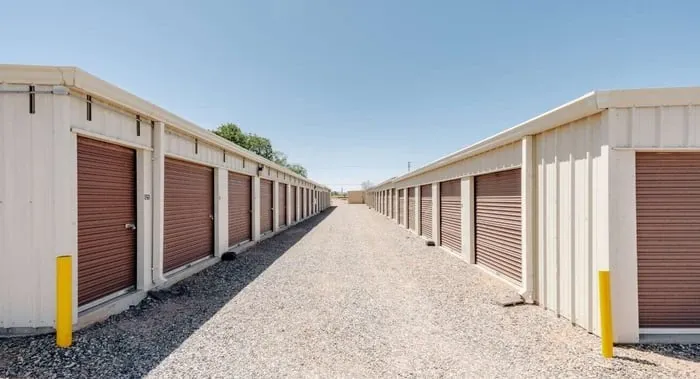
Renting a storage unit is a practical way to gain extra space for your belongings, whether for short-term or long-term needs. Before choosing a storage facility, it’s essential to gather information about the location, the area, and the place where your things will be stored. Understanding the company’s policies, required deposit, and the types of things you plan to store helps ensure your storage solution fits your needs and budget. Having precise data and examples of typical storage unit prices and unit sizes can make it easier to plan.
Storage unit costs can vary widely depending on multiple factors, including demand, unit type, and the facility’s services. Reviewing information, data, and examples of pricing at different locations allows you to calculate your total cost and avoid unexpected fees. By carefully considering these details—such as deposit, access, and the company’s reputation—you can make a well-informed decision, secure the right storage space, and protect your things while staying within your budget.
Storage Unit Size Directly Affects Price
The size of your storage unit is one of the most significant factors impacting monthly rental rates. Many people choose a self-storage unit from a reputable company, and the cost can vary depending on how much space you need, the variety of unit sizes available, and the cities where companies operate. Storage units range from small 5×5 units suitable for a few boxes, a car, or seasonal items to large 10×20 units capable of holding the contents of a three-bedroom house, providing proof that selecting the right unit size from trusted companies is essential for meeting your storage needs.
Choosing the right unit size prevents overpaying for unused space while ensuring all your belongings fit comfortably. A general guide:
- 5×5 ft (25 sq ft): Fits small boxes, seasonal clothing, or a few pieces of furniture.
- 5×10 ft (50 sq ft): Suitable for one-bedroom apartment contents, small appliances, or personal items.
- 10×10 ft (100 sq ft): Accommodates a two-bedroom apartment’s furniture, boxes, and other belongings.
- 10×20 ft (200 sq ft): Ideal for a three-bedroom house or larger items like vehicles, boats, or multiple pieces of furniture.
Estimating the amount of storage space you need is the first step in determining your cost. For example, homeowners preparing to move should take inventory of their belongings, including boxes, furniture, and other items, and group them by size and type to select the most appropriate unit. Consider everything you plan to store, any taxes or fees that may apply, and cases where special rights or regulations affect the building or facility. Accounting for these details ensures your storage solution meets your needs while protecting your belongings and complying with rules that apply to others sharing the facility.
Climate Control Impacts Storage Unit Rates
For sensitive items such as electronics, artwork, important documents, or antiques, climate-controlled units are a wise choice. These units regulate temperatures, heating, and humidity levels to prevent damage caused by extreme heat, cold, or moisture. The content and other items you plan to store can significantly benefit from this protection, especially with extra space storage options designed to meet diverse storage needs. Based on storage unit sizes, renters—including military members—can select the right unit for their belongings, ensuring everything fits securely without overcrowding.
Many storage companies provide quotes that help you compare rates and take advantage of available discounts. While climate-controlled storage units often come at a higher cost than standard units, the added protection and convenience can make them worth the investment. Whether storing furniture, documents, or delicate equipment, choosing the right unit and utilizing promotions from a reputable storage company ensures your items are safe, accessible, and stored efficiently.
Security Features Influence Storage Costs
The security of your storage facility directly impacts storage prices. Facilities with enhanced security features may charge more but provide added peace of mind for renters. Typical security measures include:
- Gated access with personalized entry codes
- Surveillance cameras monitoring units 24/7
- On-site personnel
- Alarm systems on units
Are storage units safe? Many storage units offer robust security, but the level of safety can vary by facility. Investing in a facility with strong security measures is especially important if you’re storing valuable items such as electronics, jewelry, or important documents. Features like gated access, surveillance cameras, and on-site personnel significantly improve the safety of your belongings.
Access and Amenities Affect Monthly Rates
The ease of accessing your storage unit and the facility’s amenities can significantly affect the cost. Units with 24/7 access, drive-up loading, elevators, and moving carts provide convenience but may carry a higher rental rate. For renters, choosing between a storage container, a garage-style unit, or other top options depends on the type of products and belongings being stored, as well as how frequently they need access. Considering these factors helps ensure your storage solution fits your lifestyle and long-term needs.
Additionally, extra amenities such as climate control, on-site customer service, or covered loading areas contribute to the overall price. Discounts are often available for renters who commit to longer-term rentals or utilize promotional offers from businesses within the storage industry. Across different states, storage facilities in the U.S. provide a variety of products and services designed to enhance convenience, protect your items, and improve everyday life, making it essential to evaluate which features are most important before making a decision.
Rental Duration and Pricing Options Matter
The length of your rental can impact the storage unit cost. Many self-storage facilities across the state offer lower rates for long-term rentals or incentives for committing to a minimum contract period. Short-term rentals may incur slightly higher monthly fees but provide flexibility for renters who only need storage for a few months. Evaluating the ways different facilities manage rental terms and unit access, including security doors and operational hours, can help you choose the best option for your needs.
Ask the facility about their pricing structure and any available promotions based on rental duration. Long-term agreements may include free months, discounts, or other perks that reduce overall storage costs. As this article illustrates, careful consideration of rental length, unit features, and available discounts allows renters to make informed decisions while maximizing value from self-storage facilities.
Insurance and Additional Fees Increase Total Cost
In addition to the monthly rental rate, extra fees should be factored into your budget. Common costs include:
- Insurance Coverage: Basic insurance may be included, but additional coverage is often necessary for high-value items. This protects against damage, theft, or natural disasters.
- Administrative or Setup Fees: Some facilities charge one-time fees to process new rentals.
- Locks, Boxes, and Supplies: Purchasing a secure lock, packing boxes, and moving materials adds to the total cost.
Including these additional expenses ensures your estimate reflects the actual cost of renting a storage unit.
Promotions, Discounts, and Deals Reduce Costs
Many storage facilities provide promotions and discounts to attract new customers or retain long-term renters. Common offers include:
- First month free or discounted
- Reduced rates for multi-month rentals
- Referral bonuses for bringing in new customers
Taking advantage of these deals can significantly lower your storage unit costs, especially for long-term storage or multiple units. Always inquire about current specials or promotions before signing a rental agreement.
Storage Unit Type Influences Rates
Storage units are available in various types to accommodate different storage needs. Self-storage units, vehicle storage spaces, and specialty storage containers have distinct pricing structures.
- Self-Storage Units: Ideal for household items, furniture, and boxes. Pricing is generally based on square footage and amenities.
- Vehicle Storage: Designed for cars, boats, or motorcycles. Rates vary depending on indoor versus outdoor storage, climate control, and security.
- Storage Containers: Portable storage options delivered to your home or business. Cost may include delivery, pickup, and rental fees.
Understanding the type of unit you need allows you to estimate your storage expenses accurately.
Comparing Multiple Facilities Ensures the Best Price

Not all storage facilities offer the same rates or services. Choosing STORAGExperts as your storage provider ensures you receive competitive rates, reliable services, and access to well-maintained facilities. Consider the following:
- Unit sizes and availability
- Monthly rental rates and additional fees
- Security features and amenities
- Customer reviews and reputation
Use comparison tools or websites that aggregate storage unit prices to simplify the process and identify the most cost-effective options.
Customer Reviews Provide Insight on Value
Customer feedback is a valuable resource when evaluating storage facilities. Reviews can highlight the quality of customer service, facility cleanliness, and effectiveness of security features.
Positive reviews suggest a trustworthy facility with reliable services, while negative reviews can indicate potential issues such as hidden fees, poor maintenance, or inadequate security. Consider both ratings and detailed feedback before making a decision.
Seasonal Demand Impacts Storage Unit Prices
Storage unit rates can fluctuate depending on demand. Peak periods, such as moving season or holidays, often lead to higher prices due to increased demand for storage space.
Planning your rental during off-peak times or securing a unit in advance can help reduce costs. Additionally, some facilities offer discounts for customers who book ahead or sign long-term contracts.
Step-by-Step Method to Calculate Storage Costs
To accurately estimate your storage unit cost, follow these steps:
- Determine Your Storage Needs: Make an inventory of items and estimate the unit size required.
- Select the Type of Unit: Decide between standard, climate-controlled, or specialty units based on your belongings.
- Check Amenities and Access: Identify which features are necessary, such as 24/7 access, drive-up units, or elevators.
- Add Insurance and Fees: Include administrative fees, insurance coverage, and any supplies you’ll need.
- Factor in Promotions and Discounts: Apply any deals offered by the storage facility to reduce the overall cost.
- Calculate Total Monthly Cost: Combine the base rental fee with additional charges to estimate your monthly and long-term expenses.
This method ensures you account for all factors affecting storage unit prices.
Benefits of Accurate Cost Estimation
Estimating storage unit costs before renting offers several advantages:
- Budget Planning: Prevents overspending on unnecessary space or unexpected fees.
- Better Unit Selection: Helps you choose the appropriate size and type for your belongings.
- Informed Decision-Making: Enables you to compare multiple facilities and pick the best option.
- Peace of Mind: Reduces surprises by understanding the total cost, including extras like insurance and amenities.
A well-planned estimate ensures a smooth and stress-free storage experience.
Tips to Minimize Storage Expenses
While renting a storage unit involves costs, you can implement strategies to save money:
- Rent the smallest unit that fits your items comfortably.
- Take advantage of promotions or seasonal discounts.
- Use uniform boxes to maximize space and reduce the need for larger units.
- Opt for self-service loading to avoid additional fees.
- Consider long-term rentals if you plan to store items for several months.
By applying these tips, you can reduce your storage expenses without compromising the safety or condition of your belongings.
Conclusion: Plan Your Storage Costs Wisely
Estimating your storage unit cost requires consideration of multiple factors, including unit size, type, amenities, duration, insurance, and additional fees. By carefully assessing your needs and comparing options, you can select a storage solution that meets your requirements and stays within budget.
Accurate cost estimation helps you avoid overpaying, ensures the security and protection of your belongings, and maximizes the value of your storage investment. Whether storing furniture, boxes, vehicles, or seasonal items, a well-planned approach provides convenience, peace of mind, and financial efficiency.
Frequently Asked Questions
Can I change my storage unit size after renting?
Many storage facilities allow renters to upgrade or downgrade their unit sizes if their needs change. Availability may vary, and costs are often adjusted on a pro-rated basis.
Are there penalties for early termination of a rental contract?
Some self-storage companies charge fees if you end your rental before the agreed term. Others offer flexible month-to-month contracts that allow you to leave without penalty.
How do I know if I need climate-controlled storage?
Climate-controlled units are recommended for sensitive items like electronics, antiques, wooden furniture, or important documents. These units maintain stable temperatures and humidity levels to prevent damage.
What is the best way to pack and organize items in a storage unit?
Using uniform boxes, labeling each one, and stacking heavier items on the bottom maximizes space efficiency. Keeping an inventory list also helps you locate items quickly when needed.
Can I store vehicles or boats in a standard storage unit?
Standard storage units are generally not suitable for cars, boats, or other large vehicles. Dedicated vehicle storage units or outdoor spots are designed to accommodate these items safely.
Are there insurance options if my storage unit doesn’t include coverage?
Renters can purchase additional insurance through the storage company or third-party providers. This coverage protects against theft, damage, or natural disasters.
How do seasonal fluctuations affect storage unit availability and pricing?
Rates and availability can change during peak moving seasons, with higher demand for popular unit sizes. Booking early or choosing off-peak times can help secure better prices.
What security measures are most effective in protecting stored items?
Features like gated access, individual unit alarms, 24/7 surveillance, and on-site staff enhance the safety of your belongings. Combining multiple security measures provides the highest level of protection.
Can businesses use self-storage units for inventory or equipment?
Yes, many facilities offer storage solutions suitable for businesses, including units for office supplies, seasonal stock, or excess equipment. These units provide a secure and flexible way to manage inventory.
How do I correctly calculate the total monthly cost of a storage unit?
To estimate the full cost, include the base rental fee, administrative fees, insurance, climate control, and any applicable taxes. Also, account for discounts or promotions to get an accurate total.